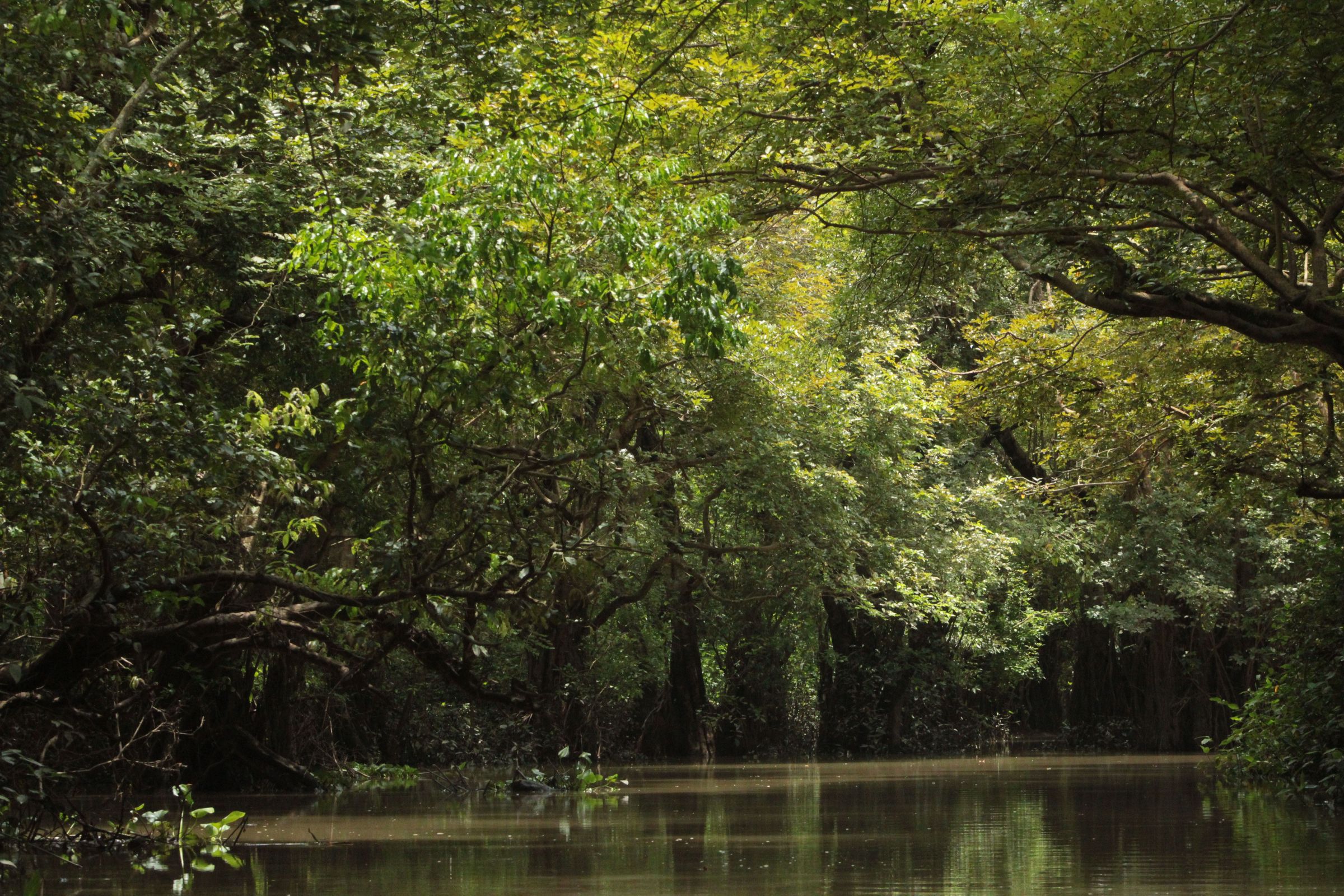
On the south coast of Borneo, a dark, tannin-stained river winds through swamp forest to one of the most famous names in primate research. In Tanjung Puting you travel slowly, on a wooden boat that is also your bed and your dining room, and the orangutans decide whether they want to meet you.
What is Tanjung Puting National Park?
Tanjung Puting National Park (Taman Nasional Tanjung Puting) is a lowland rainforest and swamp park on the south coast of Central Kalimantan, in Indonesian Borneo. It covers about 4,150 km², was declared a national park in 1982, and is best known for its Bornean orangutans. UNESCO named it a Biosphere Reserve in 1977, and in 2013 it was listed as a Ramsar wetland of international importance.
Protection here is older than the national park. The Dutch colonial government set the area aside in the 1930s to protect orangutans and proboscis monkeys, and the forestry ministry describes Tanjung Puting as Indonesia's first conservation area dedicated to orangutans. The park lies on a peninsula between the Kumai River, its northern border, and the Java Sea, with the Sekonyer River as the main way in.
Why is Tanjung Puting so important for orangutans?
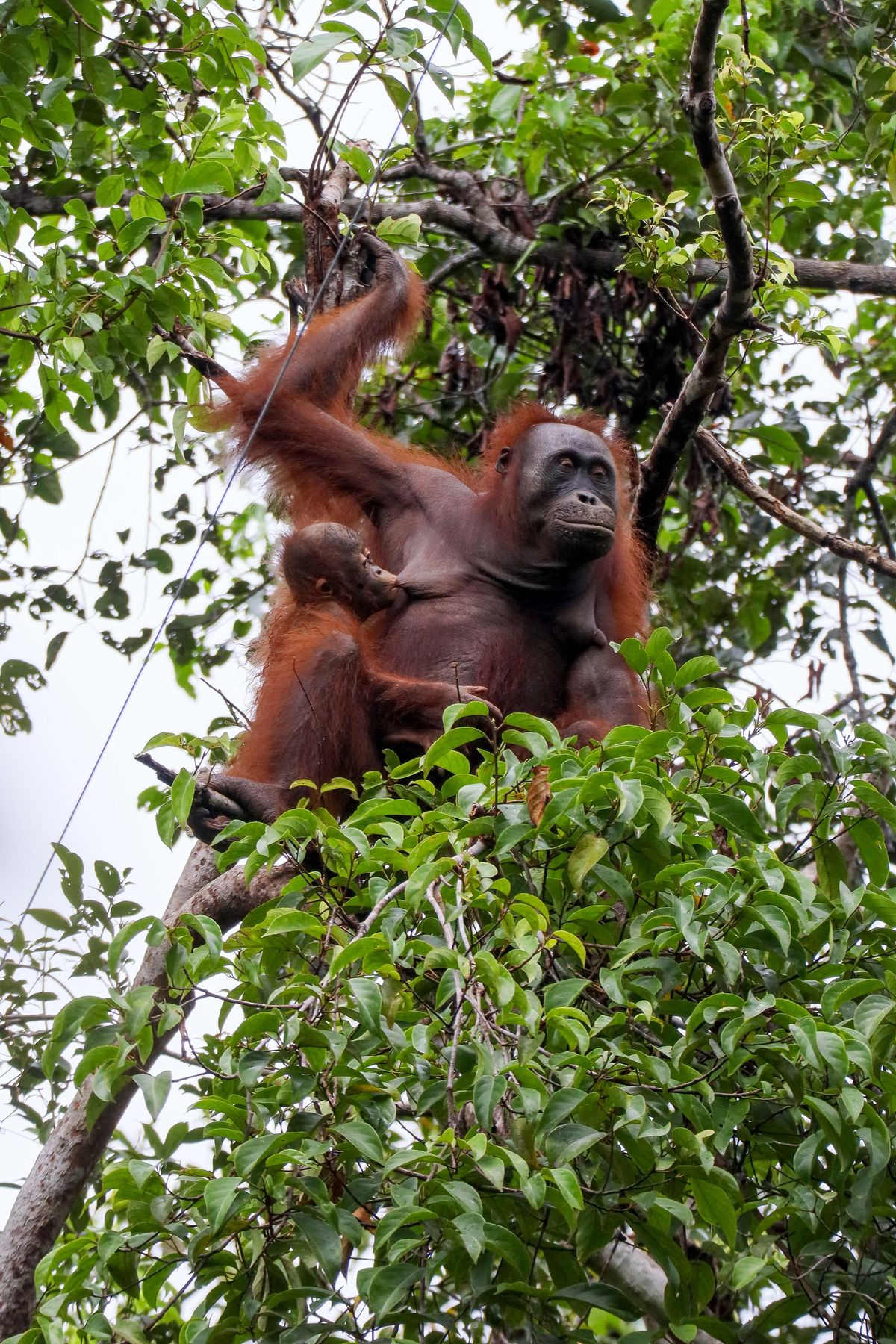
Tanjung Puting protects one of the largest remaining populations of the endangered Bornean orangutan, and it is where long-term orangutan research in Indonesia began. In 1971 a young researcher, Biruté Mary Galdikas, set up a research camp here with support from the Leakey Foundation and named it after the paleoanthropologist Louis Leakey, who backed her work. Her studies made the cover of National Geographic in October 1975.
For years Camp Leakey also took in orphaned and ex-captive orangutans and returned them to the forest. Galdikas went on to found Orangutan Foundation International, and rescued animals are now cared for at a care centre outside the park. The orangutans you meet at the feeding stations are mostly former rehabilitants, their offspring and wild animals that drop by.
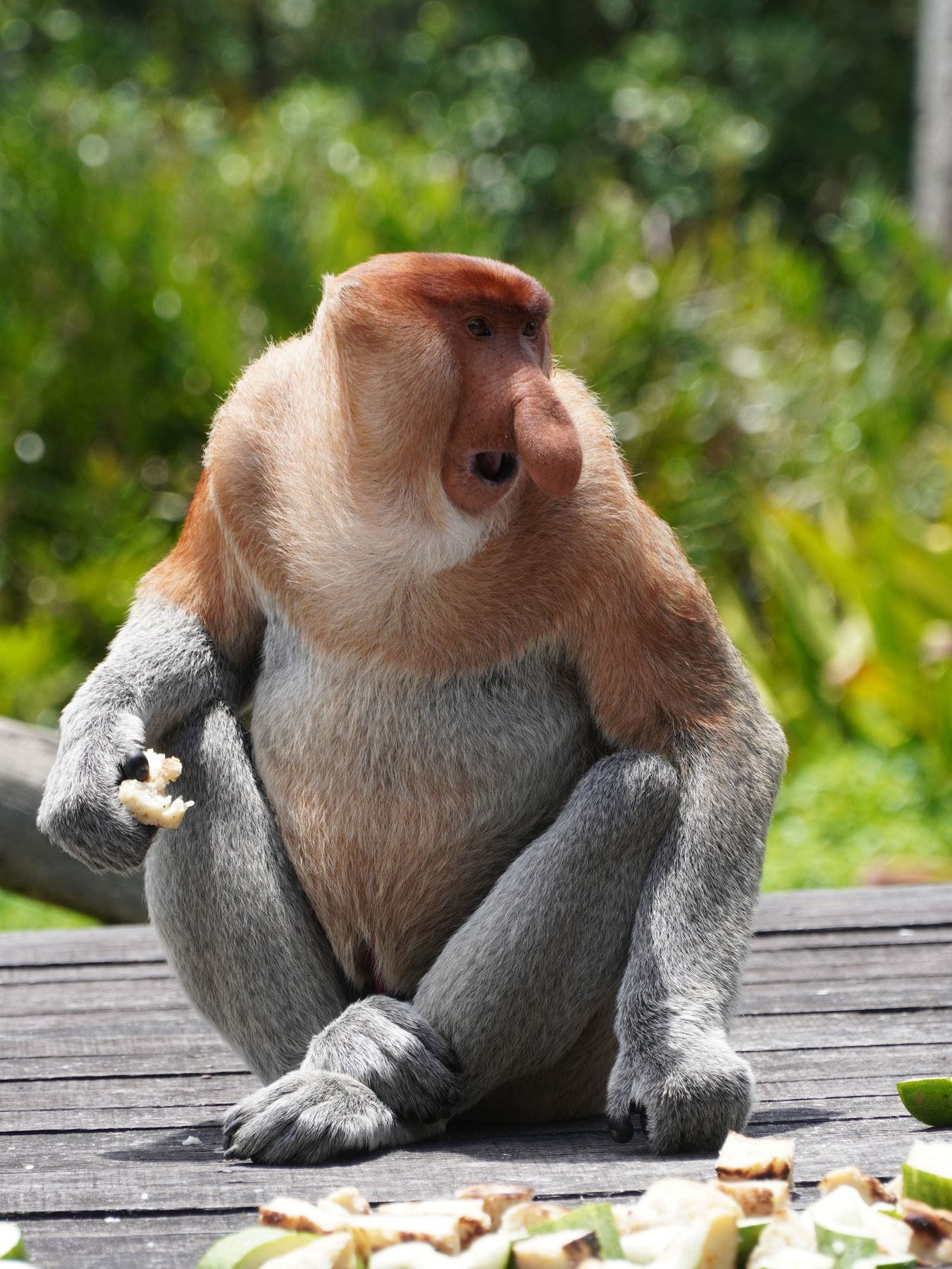
The park is about more than one ape. Its habitats run from dryland dipterocarp forest to peat swamp, heath forest, mangrove and beach forest, home to proboscis monkeys, gibbons, macaques, sun bears, clouded leopards, sambar deer, crocodiles, hornbills and kingfishers. A large share of the forest has been degraded by past logging and fire, which makes what remains more valuable.
What are the highlights of Tanjung Puting?
The three classic stops are the orangutan feeding stations of Tanjung Harapan, Pondok Tanggui and Camp Leakey, spread along the Sekonyer River and its side branch. Most trips visit all three over two or three days, timing their arrival for the daily feeding.
At each station rangers lay out a simple supplement, usually bananas and milk, on a wooden platform in the forest, and visitors wait on benches a short walk from the river. The food is kept plain on purpose, so the orangutans keep foraging for themselves. Some days a dozen animals swing in, other days almost none, especially when the forest is full of fruit. These are wild or semi-wild animals and sightings are never guaranteed.
Camp Leakey is the emotional centre of the park: a cluster of wooden buildings, an information centre and forest trails, reached up a narrow blackwater channel. Along the way, watch the riverbanks. Proboscis monkeys gather in the trees along the water in the late afternoon, and nipah palms line the lower river.
What is a klotok trip like?
A klotok is a two-deck wooden riverboat with a small crew, a cook and a guide, and it is how almost everyone sees Tanjung Puting. Trips start in Kumai and usually last two to four days. You eat, nap and watch wildlife on the open upper deck, and at night mattresses and mosquito nets are laid out on the same deck.
The rhythm is slow: a feeding station in the morning, hours of gliding past forest and nipah palms, another station in the afternoon, then a mooring by the riverbank as the light goes. Many operators add a short guided forest walk or a night walk. Boats range from simple to comfortable, and a few have enclosed air-conditioned cabins, so ask to see photos of the actual boat before you book.
The park office counts 114 active tourist klotok. A shorter option is a long day by speedboat from Kumai to Camp Leakey and back, but it misses the slow evening on the river that makes the trip.
Who lives around Tanjung Puting?
The park is surrounded by working communities, and tourism here is largely run by local people. The klotok crews, cooks and guides mostly come from Kumai, a river port at the park's edge, and from villages along the lower Sekonyer.
Tourism is a real part of the local economy. The park recorded 79,920 visitors in 2025, about 78 percent of them from abroad, with Spain sending the most, followed by Germany and the United States. In 2026 the province announced plans to improve piers and the road between the villages of Sei Badaun and Sei Sekonyer. Booking a locally owned boat and a licensed local guide keeps your money in these communities.
When is the best time to visit Tanjung Puting?
The dry season, roughly June to September, is the most popular time: rainfall is lowest, trails are firmer and river travel is easiest. It is also the busiest, and in peak months dozens of boats can be on the river and at Camp Leakey at the same time. The shoulder months either side are quieter.
The dry season carries a serious risk too: peat and forest fires, and the haze they bring. Smoke has repeatedly disrupted flights and boat trips in Central Kalimantan, most recently in 2026. The wettest months are around November to January, when trails turn muddy but the river is calmer and crowds thin out. Orangutans may come to feeding platforms less often when wild fruit is plentiful.
How do you get to Tanjung Puting?
Fly to Iskandar Airport (PKN) in Pangkalan Bun, then drive to the port of Kumai, about half an hour away, where your klotok waits. Pangkalan Bun has scheduled flights from Jakarta, Surabaya and Semarang, with Batik Air and NAM Air the carriers listed for the airport in 2026; schedules change, so check them before you book.
Most operators meet you at the airport and handle the transfer. Domestic flights here are often delayed, and haze can push departures back by hours in the fire season, as happened at Iskandar in August 2026. Build in a spare day at each end rather than connecting tightly to an international flight. From Kumai, boats run up the Sekonyer River into the park; the speedboat run to Camp Leakey takes around an hour and a half, a klotok much longer.
What does it cost to visit Tanjung Puting?
Foreign visitors pay daily park entrance fees on top of the boat, crew, guide and food, and most klotok packages bundle everything together. Your operator registers the trip and arranges the park permit and tickets, so there is little paperwork for you. Fee levels have changed over the years, so check current rates with your operator before you go.
As a rough guide, a 2026 travel guide puts multi-day klotok trips at around US$500 or more per person, and day speedboat trips to Camp Leakey at around US$160 to 200. Prices depend heavily on group size, boat standard and season. Bring enough rupiah from Pangkalan Bun for tips and extras, as there are no ATMs on the river.
Is it safe to visit Tanjung Puting right now?
Tanjung Puting is generally a safe, well-organised trip, but in October 2026 the park was affected by forest fires, so check conditions before travelling. Officials reported fires in the West Kotawaringin and Seruyan parts of the park, with water-bombing helicopters working the Sungai Perlu and Teluk Rengas areas, and ground crews at the Pesalat and Teluk Pulai ranger posts. Estimates of the burned area differ widely between government and volunteer sources.
None of the reports we read mentioned a closure of visitor areas, but thick smoke grounded aircraft in Central Kalimantan in mid-October. Ask your operator about air quality and access, carry good masks in the fire season, and keep your plans flexible. The park is also under pressure from illegal gold mining, and twelve suspects arrested inside it in 2025 faced prosecution in 2026.
On the river, never swim: crocodiles live here. Around orangutans, keep your distance, never feed or touch them, stay out of their path and keep food out of sight. Bring repellent and long sleeves against mosquitoes, and expect leeches on forest trails.
How to visit Tanjung Puting responsibly
Choose a licensed local operator and guide, and make sure park fees are included and paid. At feeding stations stay quiet, keep back, and never use flash. Do not bring any food onto the trails. Fly drones only where your guide confirms it is allowed. Take your rubbish back to Kumai, never throw anything into the river, and never light fires. If you want to give more, support the organisations working on orangutan care, forest restoration and fire fighting around the park.