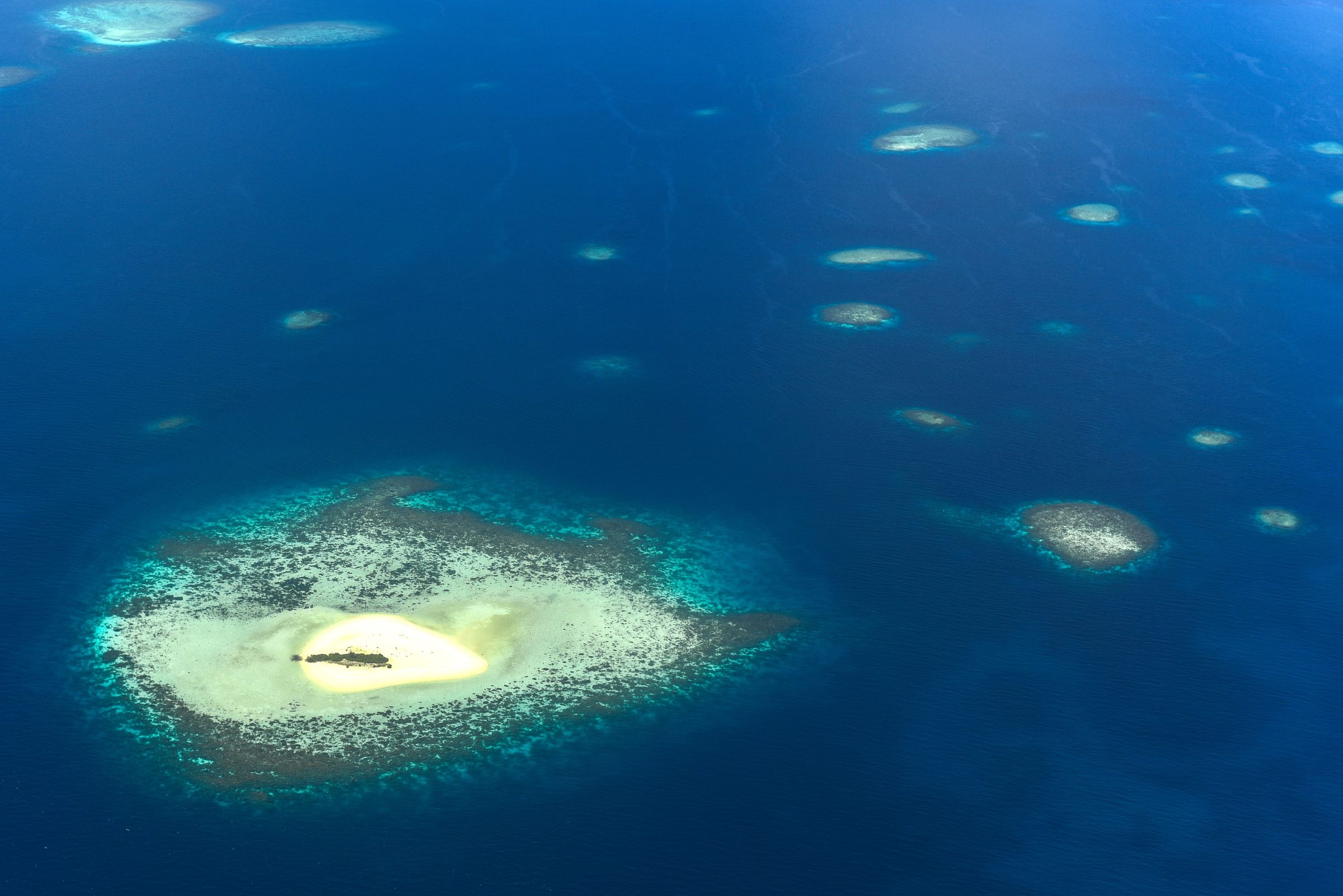
South of Sulawesi, out in the Flores Sea, a ring of reefs, lagoons and low sand islands covers more water than many Indonesian regencies. Taka Bonerate is the country's largest atoll and one of its least visited national parks. Getting there takes patience and planning, and that distance is a large part of why its reefs still hold so much life.
What is Taka Bonerate National Park?
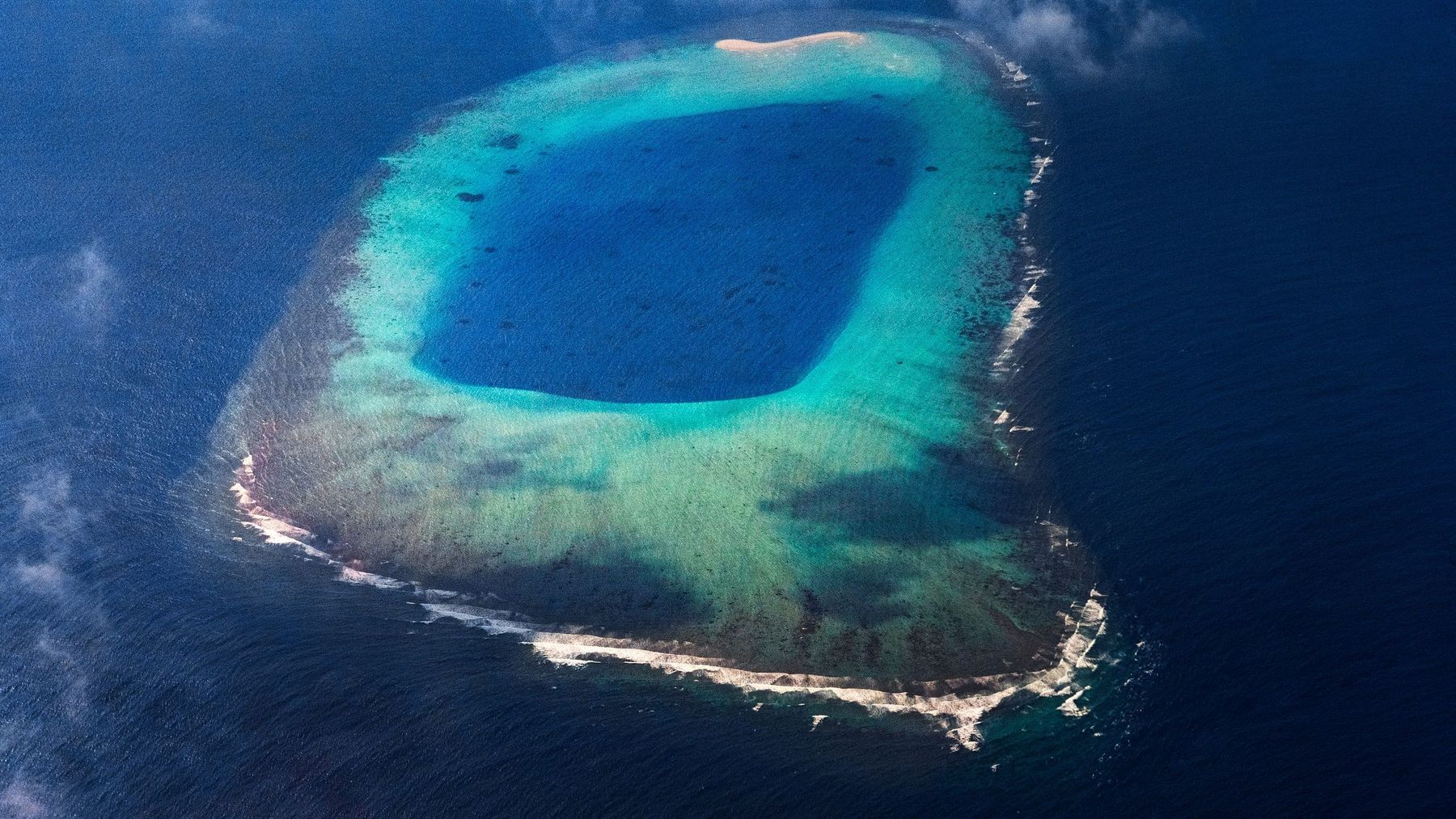
Taka Bonerate National Park (Taman Nasional Taka Bonerate) is a marine park built around a huge coral atoll in the Flores Sea, south of mainland Sulawesi. It was declared a national park in 1992 and belongs to the Selayar Islands Regency of South Sulawesi. The park covers 530,765 hectares, of which about 220,000 hectares are the atoll itself: reef flats, lagoons, sandbanks and 21 small islands.
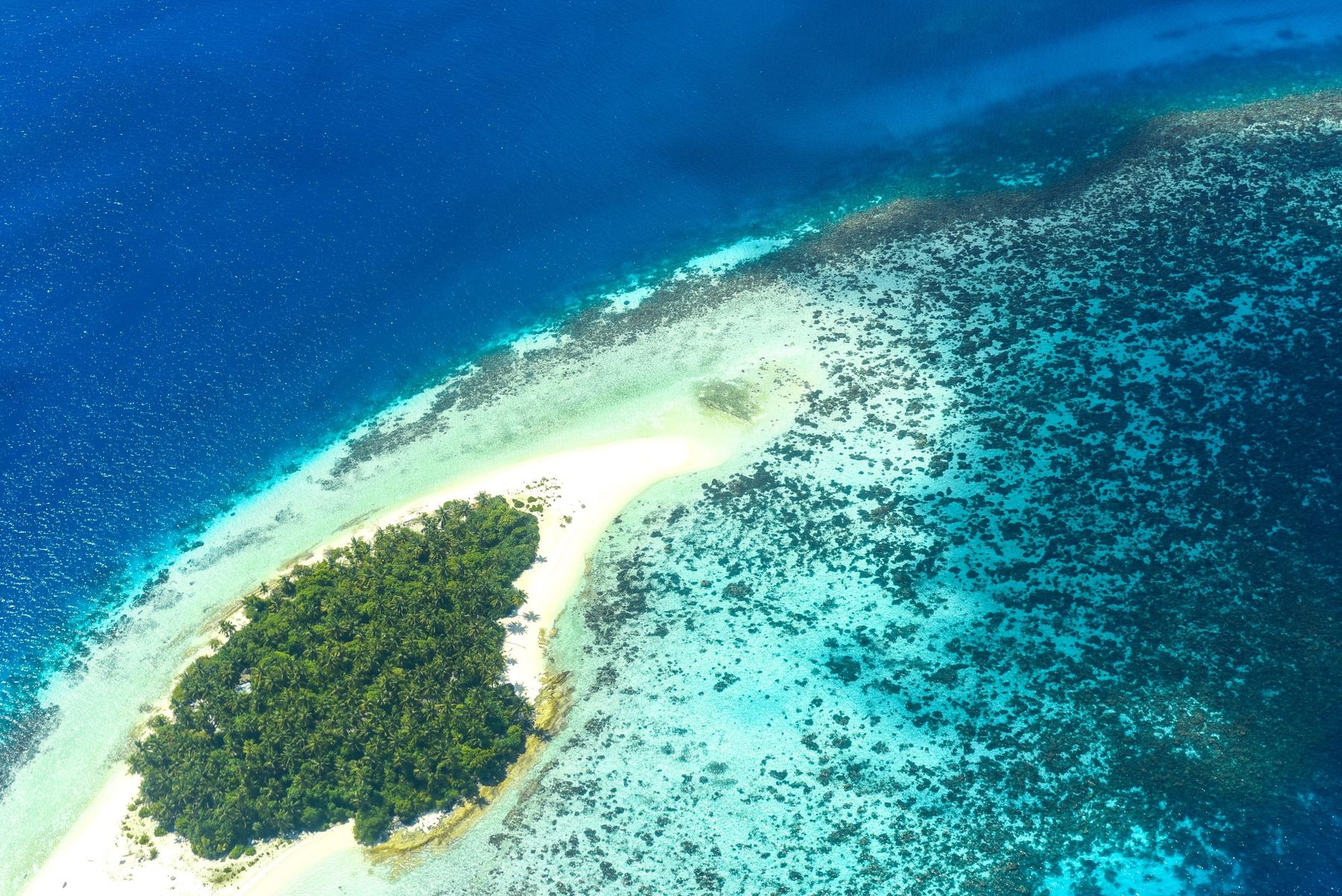
The name comes from Bugis and roughly means coral piled up on sand, which describes the place well. On a map the atoll looks less like a neat ring than a scattered field of separate reefs, patch reefs and sand cays, with outer edges that drop steeply into deep water. Indonesia placed the park on its UNESCO World Heritage tentative list in 2005, and in 2015 UNESCO recognised the Taka Bonerate-Kepulauan Selayar Biosphere Reserve, one of Indonesia's network of biosphere reserves.
Is Taka Bonerate the third-largest atoll in the world?
That is how Indonesia describes it. The UNESCO tentative list entry and the national tourism board call it the third-largest atoll in the world, after Kwajalein in the Marshall Islands and Suvadiva (Huvadhu) in the Maldives. Atoll rankings depend on how reefs and submerged banks are measured, so other lists order things differently.
What no list disputes is that Taka Bonerate is the largest atoll in Indonesia, and it is usually described as the largest in Southeast Asia too. Its reefs cover roughly 500 km², and the atoll as a whole spans about 2,200 km². For a visitor, the practical meaning is simple: distances inside the park are long, and a boat ride from one island to another can take a good part of a morning.
What can you see underwater in Taka Bonerate?
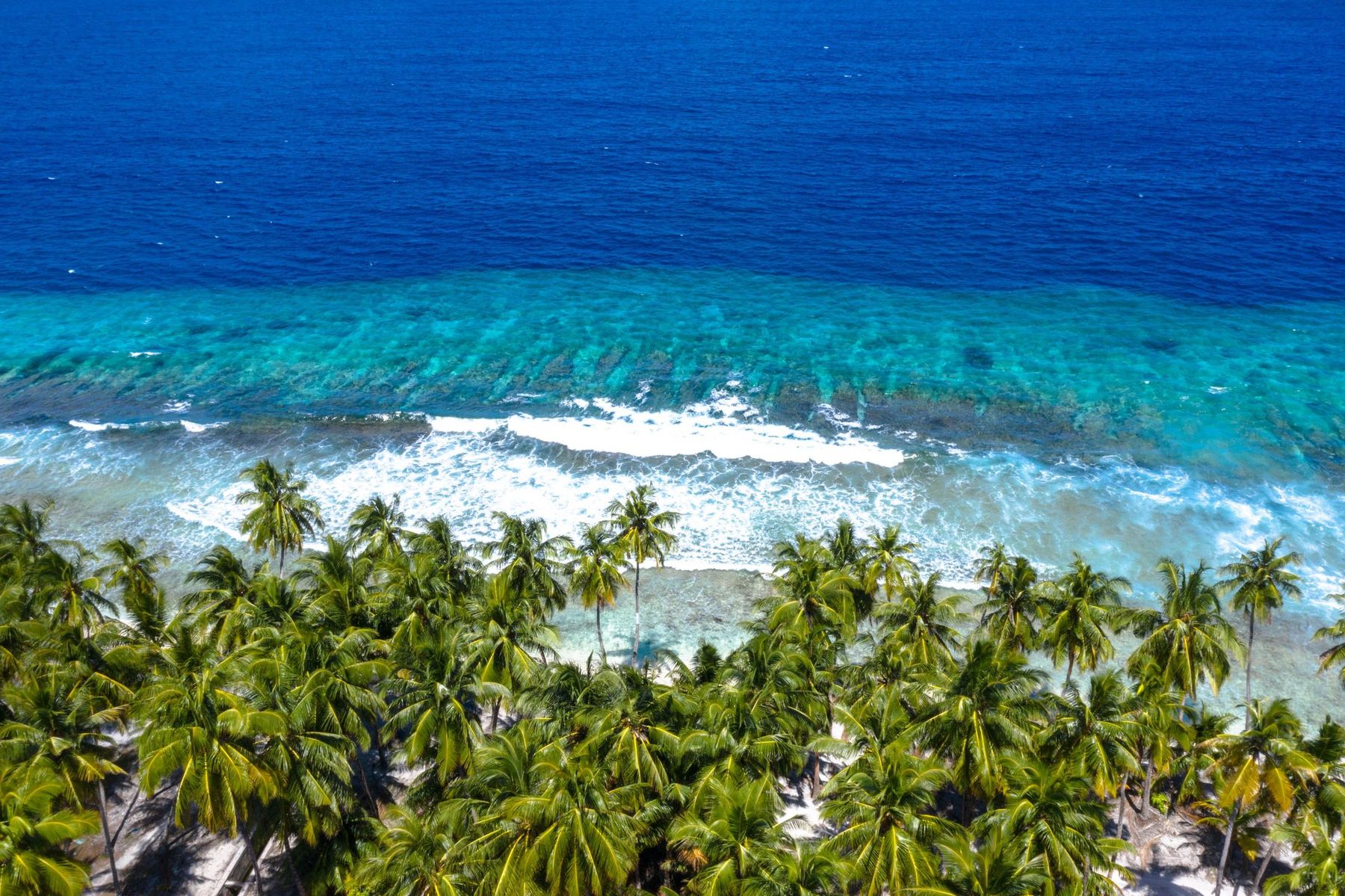
Expect walls on the atoll's outer edges, sloping reefs around the islands and shallow sandy flats inside the lagoon, often in clear water with few other divers around. Turtles are common, young reef sharks patrol the shallows off Tinabo, and large sea fans and black coral grow on the deeper walls.
Species counts vary by source. The Ministry of Forestry figures cited for the park give 261 coral species and 295 reef fish species, while the national tourism board lists 242 coral species and 526 reef fish species. Three turtles live here: hawksbill, green and olive ridley. The tourism board also mentions manta rays, Napoleon wrasse, tuna, trevallies, and sometimes sharks and sperm whales.
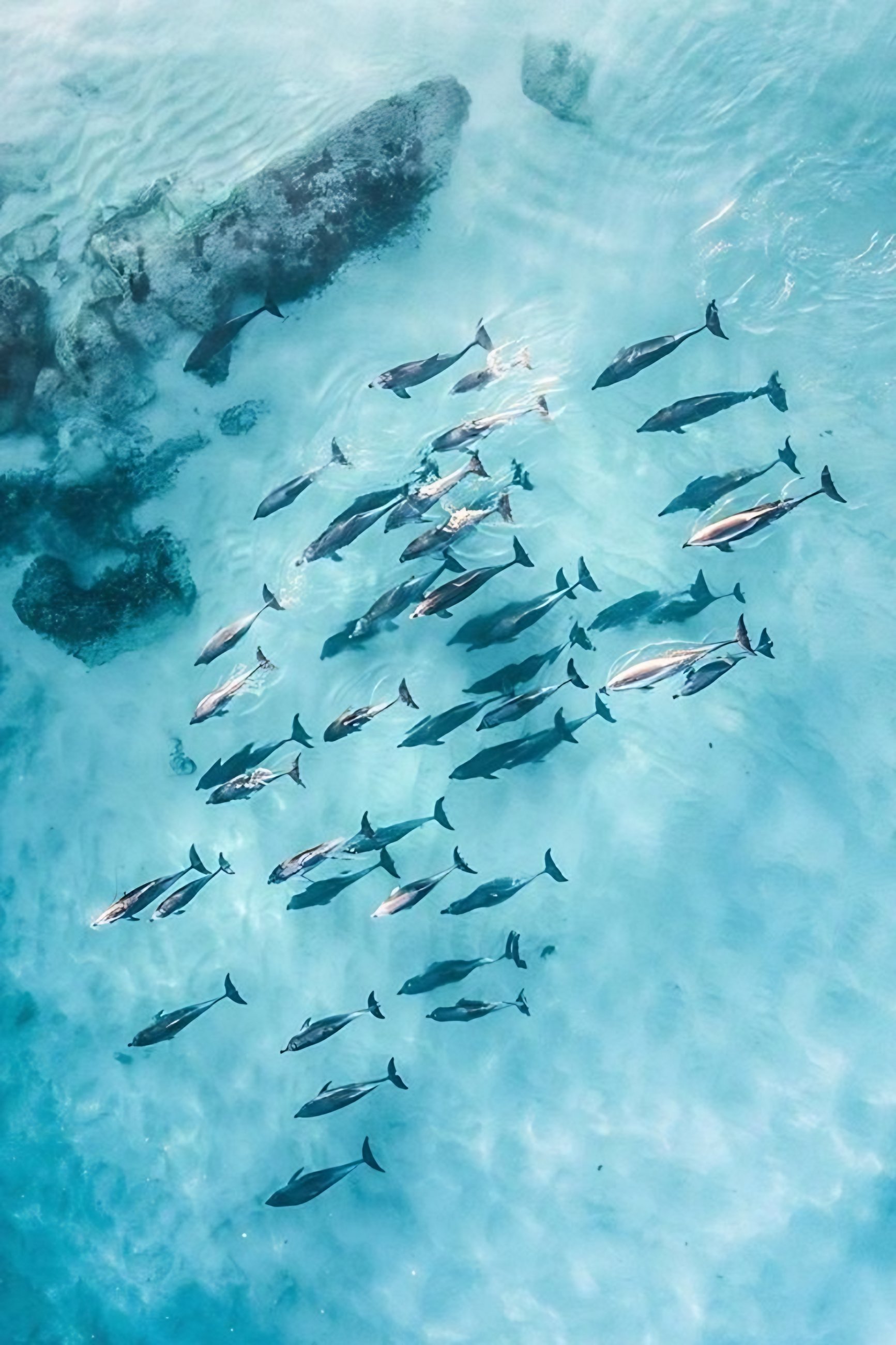
Dolphins are part of the picture as well. The tourism board lists them among what divers may see, and the park offers dolphin watching from boats, though park staff are honest that sightings take luck. Official material speaks of more than 50 dive sites, many of them close to Tinabo, but only a fraction are dived regularly. Because so few divers come, there is still exploring to be done.
Which islands in Taka Bonerate should you know?
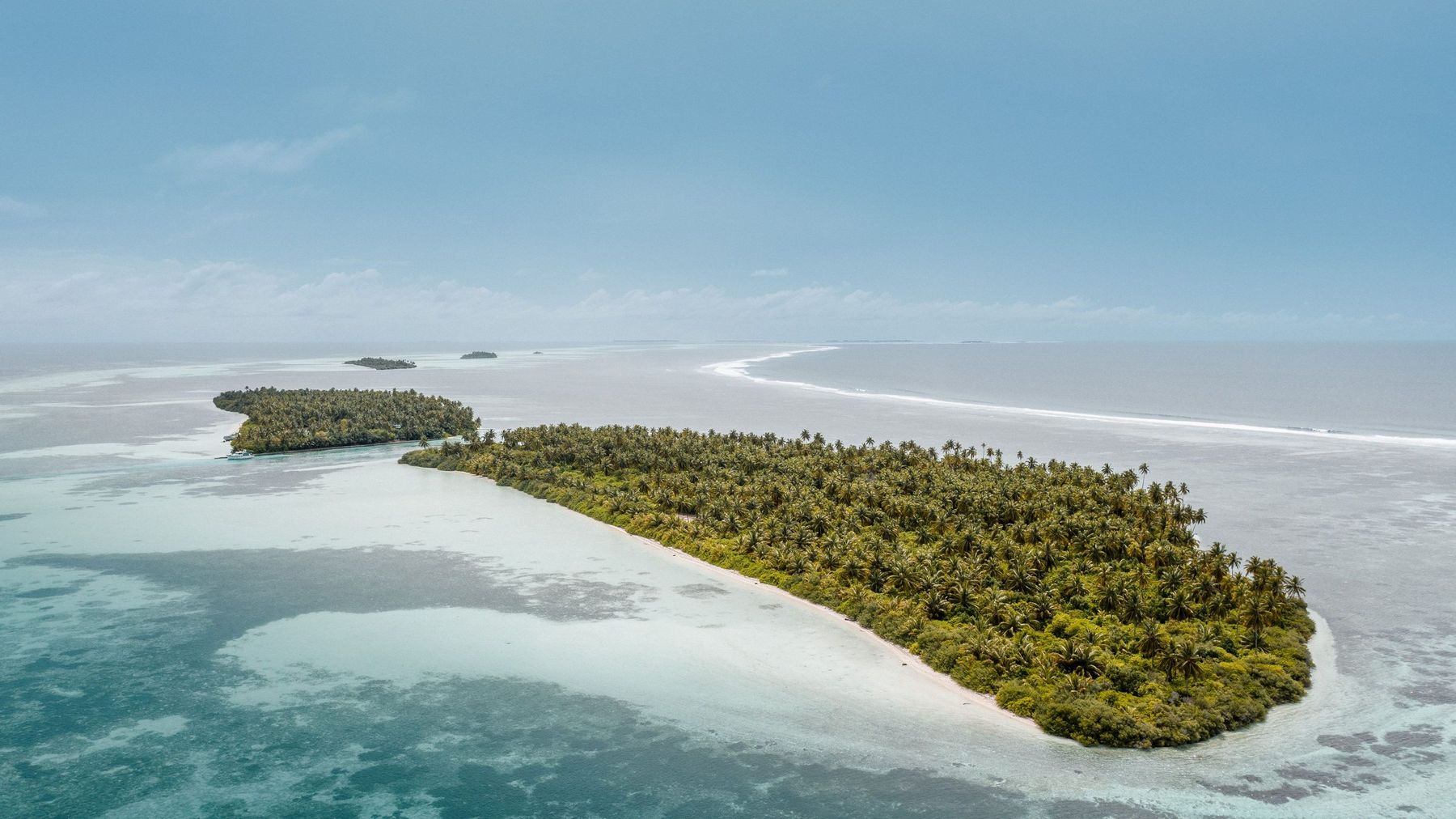
Most trips are built around Tinabo, a small white-sand island in the north of the atoll that serves as the park's field base. Inhabited islands such as Tarupa, Rajuni, Latondu and Jinato add village life, and Pasitallu lies far to the south.
Tinabo is about 1.5 km long and home only to park rangers, with simple guesthouses and space for camping. Reef flats start right off the beach, which makes it the easiest place to snorkel, and dive sites lie close by. Tarupa, also in the north, has reef slopes that drop into deeper water. Rajuni Besar and Rajuni Kecil are inhabited islands where local boats from Selayar sometimes run, without a fixed schedule.
Latondu, in the northwest, sits near the atoll's outer edge. Jinato, on the western side, has community homestays and is one of the few islands on a public ferry route. Pasitallu Tengah and Pasitallu Timur lie in the south, a long way from Tinabo, and are rarely visited except by liveaboards.
Map
Taka Bonerate: the islands and dive areas
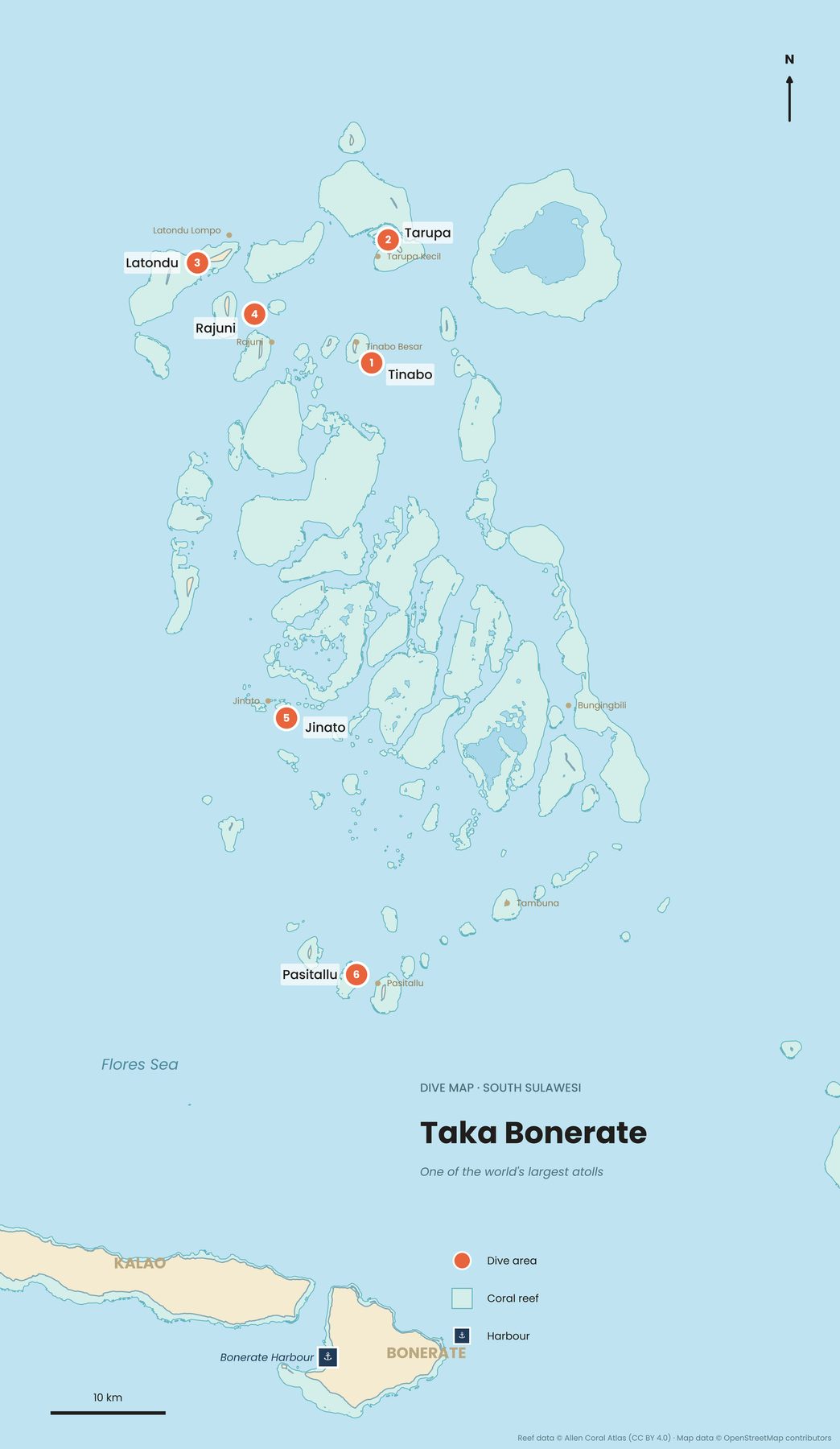
- 1Tinabo
- 2Tarupa
- 3Latondu
- 4Rajuni
- 5Jinato
- 6Pasitallu
Who lives on the Taka Bonerate atoll?
Seven islands are inhabited: Tarupa, Rajuni Besar, Rajuni Kecil, Latondu, Jinato, Pasitallu Tengah and Pasitallu Timur. Their people are mainly Bajau (Bajo), the seafaring people of eastern Indonesia, and Bugis, the great boat builders and traders of South Sulawesi, along with families from Selayar.
Unlike the stilt villages found elsewhere, the Bajau here live on the sand islands themselves, and their customs are still very much alive. Visitors may come across a Bajau wedding procession, or the Safar bath, a communal dip in the sea on the last Wednesday of the Islamic month of Safar. Jinato's community is mostly Bugis, and Rajuni has homestays where hosts also act as guides.
Life on low sand cays is hard. There are no rivers, so residents depend on rainwater and water shipped from Selayar. If you stay on an island, use water sparingly, expect meals of fish and rice, and dress modestly in villages: this is a largely Muslim region.
When is the best time to visit Taka Bonerate?
The calmest seas usually come around April to May and October to November, when winds are light between the two monsoons. During the west monsoon, roughly December to March, waves can reach two metres or more and ferries may stop running.
Sources differ slightly at the edges. The national tourism board recommends April to mid-May and October to mid-November, while park staff have described April to June and October to December as the best months. From about June to September the east monsoon can bring stronger winds on some days. Because the crossing from Selayar is long and open, sea conditions matter more than rain here, so build in spare days and watch the forecast.
How do you get to Taka Bonerate?
All routes run through Makassar and then Selayar Island, where Benteng is the last town before the park. From Benteng there is no regular passenger boat to Tinabo, so most visitors charter a speedboat, often as a package with lodging on Tinabo.
Flights between Makassar and H. Aroeppala Airport on Selayar have come and gone over the years. Wings Air suspended the route in April 2025, and in 2026 the small airline FlyJaya was listed on it, so check what is flying before you book. Overland, a bus or car takes about five hours from Makassar to Bira, a ferry takes about two hours to Pamatata on Selayar, and the road to Benteng adds roughly an hour. An air-conditioned morning bus from Makassar rides the ferry across.
From Benteng the charter to Tinabo takes roughly four to eight hours depending on the boat and the sea. The state ferry KMP Taka Bonerate runs a loop from Bira that calls at Jinato and at Bonerate Island, south of the atoll, several times a month; schedules change, so confirm with ASDP in Selayar. A few Flores Sea liveaboards also include the atoll.
What does it cost to visit, and do you need a permit?
You need a park entry permit (Simaksi), arranged and paid at the Taka Bonerate National Park office in Benteng before you go out. Entry fees follow Indonesia's national tariff for conservation areas, which changes from time to time, so check the current amount at the office and keep your receipt.
The real cost is the boat. Park staff have quoted speedboat packages from around IDR 5 million per group for three days, including lodging, entry and trips to dive sites, but that figure is from 2015, so ask for a current quote. Facilities are very limited: basic rooms on Tinabo, homestays on some inhabited islands, no resorts and no banks. Bring cash for the whole trip from Benteng, plus your own drinking water and snacks.
Is Taka Bonerate safe to visit?
Yes, for prepared travellers, but it is remote. The atoll lies many hours by boat from Benteng, far from any hospital and further still from a recompression chamber, so dive conservatively and treat every problem as serious.
Bring your own dive gear and spares, as rental equipment is limited, and carry a surface marker buoy. Charter boats should carry life jackets, a radio or satellite phone and enough fuel; ask before you leave. Do not cross in rough weather, even if it means waiting a day, and leave buffer days in your plans. Sun and dehydration are real risks on islands with little shade and scarce fresh water.
How to visit Taka Bonerate responsibly
Pay the park fee, as it supports the rangers on Tinabo, and hire local boatmen, guides and homestays. Do not touch coral, chase turtles or feed the sharks, even if a guide offers fish. Never buy turtle shell, giant clam or coral, choose boats that use moorings or drift rather than anchoring on reef, and take your rubbish back to Selayar.
