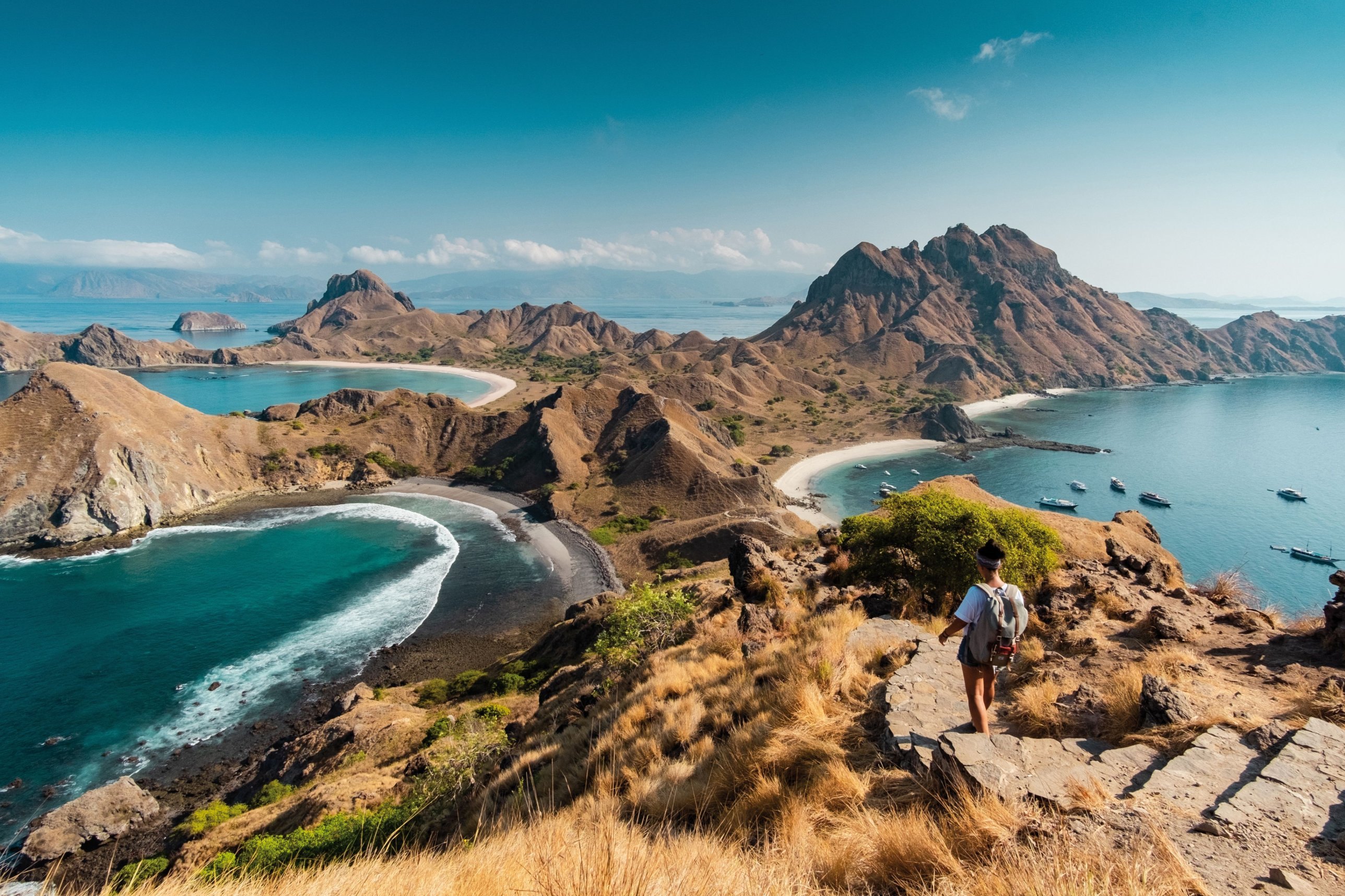
Between Sumbawa and Flores, a scatter of dry, steep islands holds the last wild Komodo dragons and some of the fastest, richest water in Indonesia. Komodo National Park is one of the country's most famous sights, and since 2026 one of its most tightly managed: visits now run on a daily quota, so planning matters as much as the boat.
What is Komodo National Park?
Komodo National Park (Taman Nasional Komodo) is a protected area of islands and sea between Sumbawa and Flores in East Nusa Tenggara, created to protect the Komodo dragon. It was declared a national park in 1980, UNESCO accepted it as a Biosphere Reserve in 1977 and inscribed it as a World Heritage Site in 1991. The three large islands are Komodo, Rinca and Padar, surrounded by many smaller ones and a strip of the western Flores coast.
Protection here is older than the park. Padar and part of Rinca became nature reserves in 1938 and Komodo Island followed in 1965. UNESCO lists the park at about 219,000 hectares, of which roughly 130,000 are sea. The islands are volcanic in origin and lie inside Wallacea, the transition zone between Asian and Australian wildlife, which helps explain why a giant lizard became the top predator here rather than a cat or a dog.
Where can you see Komodo dragons?
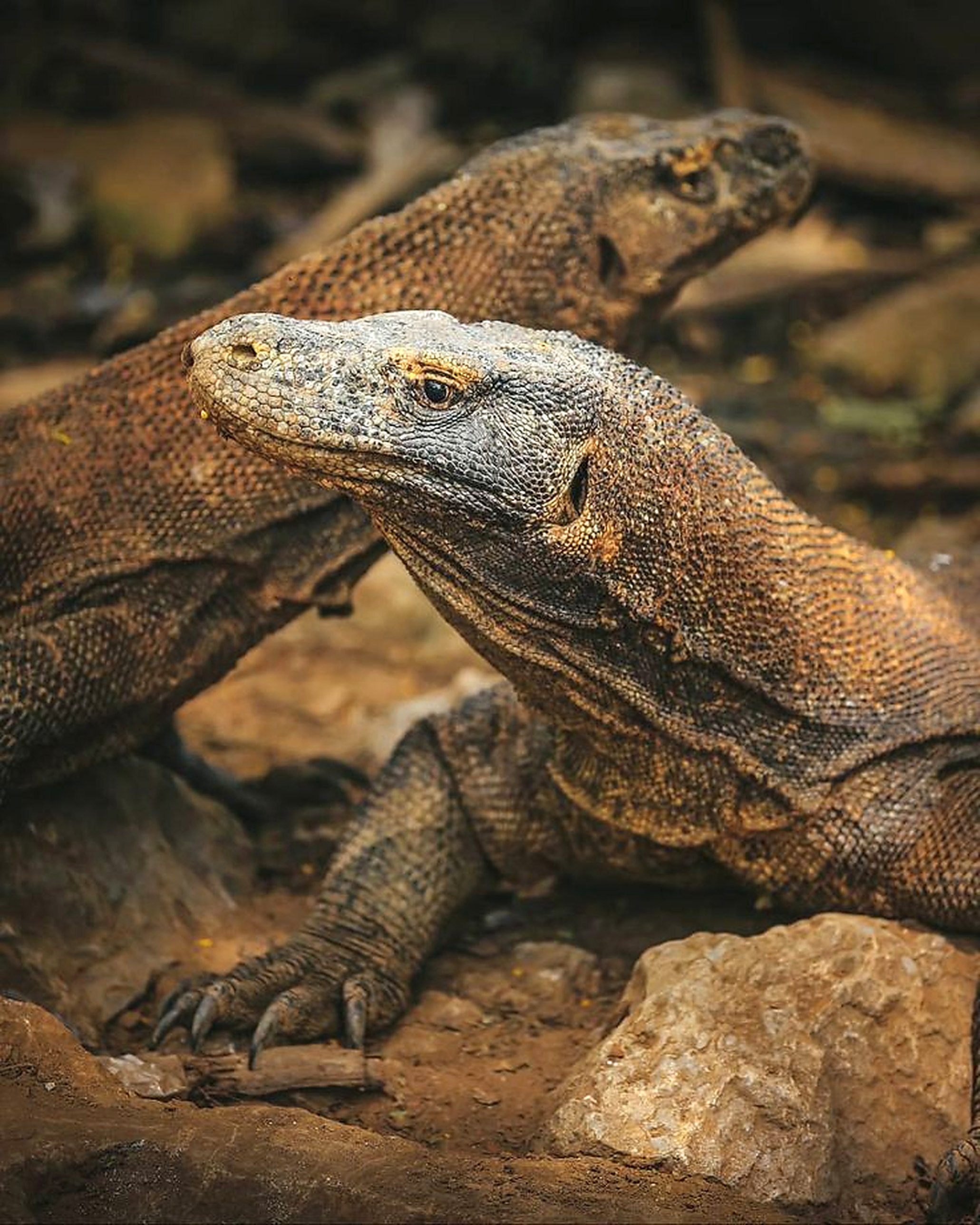
Wild Komodo dragons live on Komodo and Rinca, the two islands where visitors walk with park rangers, as well as on Gili Motang and parts of western and northern Flores. UNESCO puts the total population at around 5,700. Padar has none left, so it is visited for the view, not the dragons.
Komodo Island is entered at Loh Liang, on the northeast coast, and has the larger population and longer walking routes through savanna and monsoon forest. Rinca is entered at Loh Buaya, closer to Labuan Bajo, where a redevelopment begun in 2020 added a raised viewing platform, a visitor information centre and renovated jetties. Both give a very good chance of seeing dragons, along with Timor deer, long-tailed macaques and birds such as the orange-footed scrubfowl.
Walks are hot, exposed and always guided, and the route length depends on the ranger, the season and where the dragons are. Bring water, a hat and closed shoes.
What are the main highlights of Komodo National Park?
Beyond the dragons, most trips combine the Padar viewpoint, Pink Beach, a manta stop and a snorkel or two. Nearly all start from Labuan Bajo, and the classic route fits into a long day, though a night on a boat is calmer.
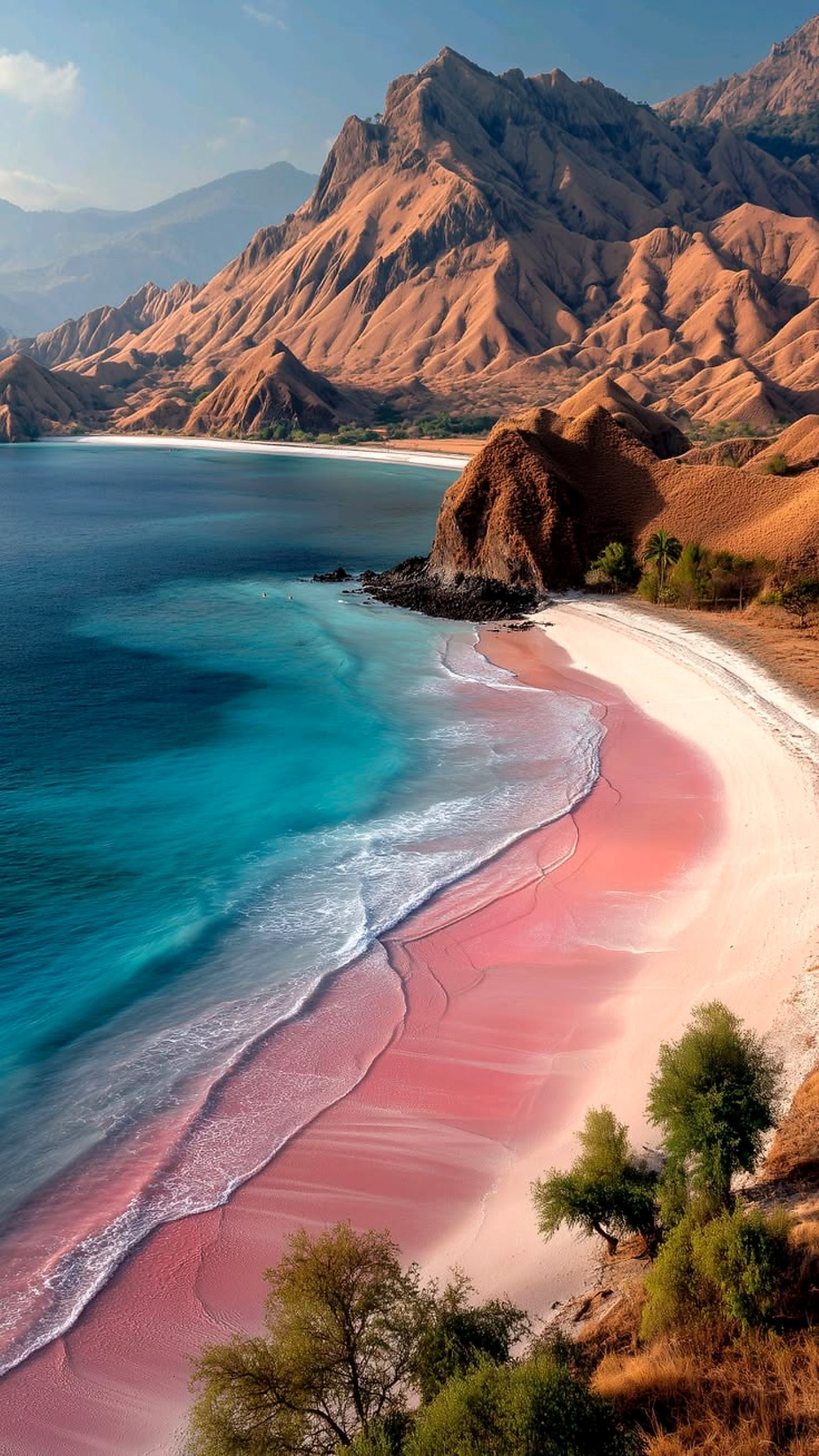
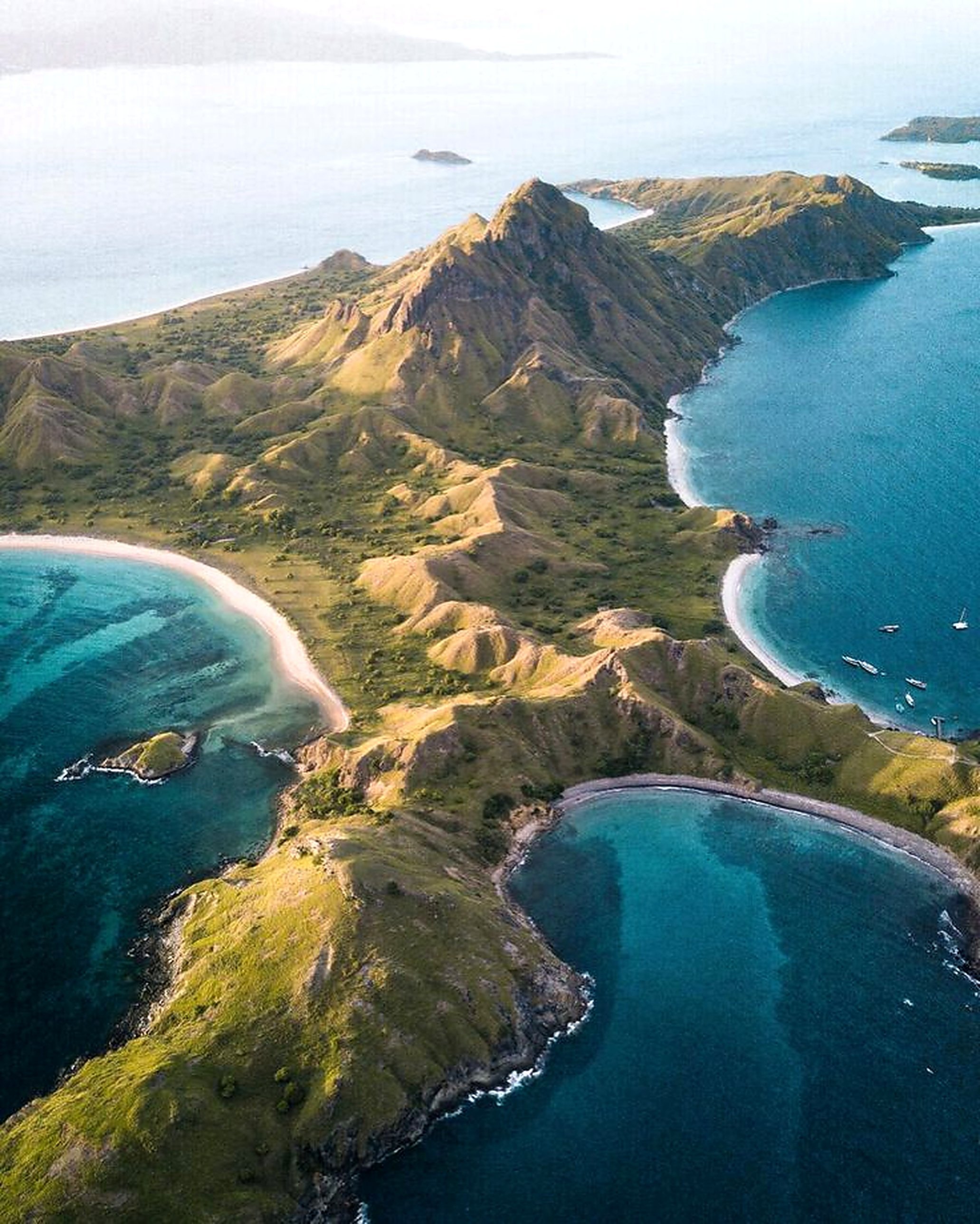
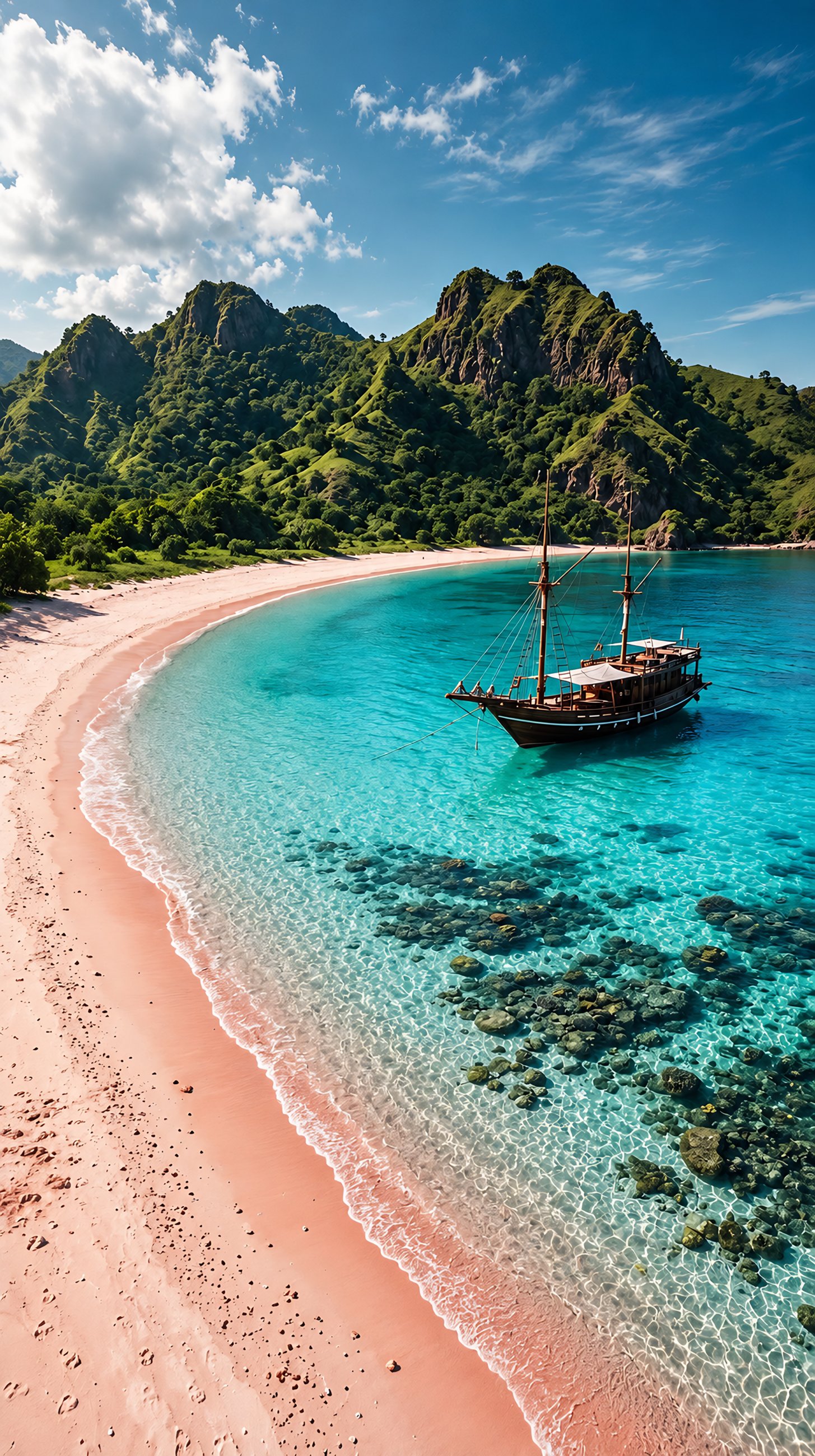
Padar is the view on most Komodo postcards: a short, steep, shadeless climb to a ridge above curved bays of different coloured sand. Go at sunrise or late afternoon. In August 2025 the Forestry Minister described the summit as crowded like a market, and fences and signs now mark the route; stay behind them on the loose slopes. Pink Beach, on Komodo Island, owes its colour to fragments of red coral mixed into white sand, and has one of the easiest snorkelling reefs in the park.
Manta Point, also called Karang Makassar, is a shallow area in the centre of the park where reef mantas feed and are cleaned, close enough to the surface for snorkellers. Nearby Taka Makassar is a sandbar that appears at lower tides.
Map
Komodo: the main dive sites
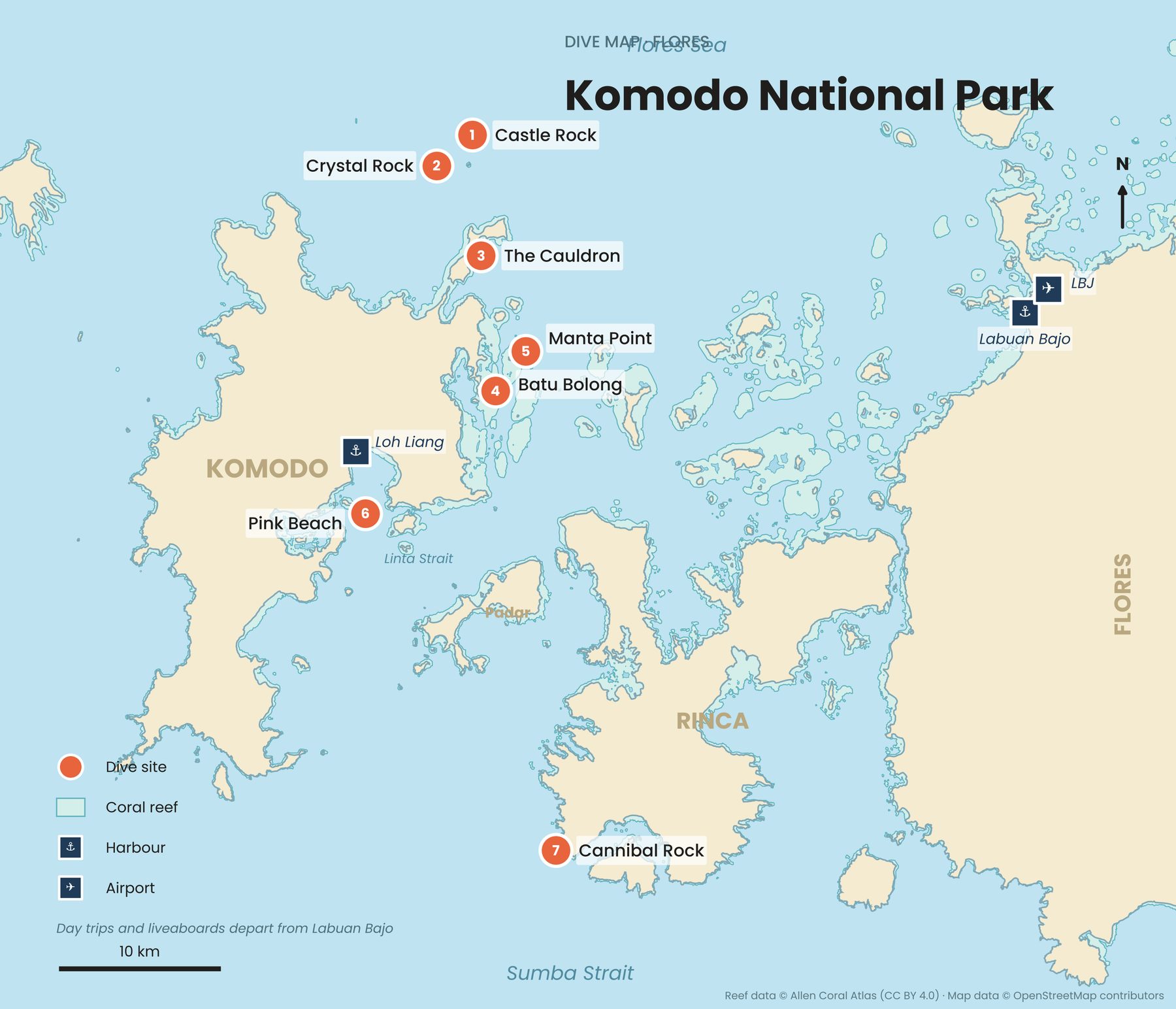
- 1Castle Rock
- 2Crystal Rock
- 3The Cauldron
- 4Batu Bolong
- 5Manta Point
- 6Pink Beach
- 7Cannibal Rock
What is diving and snorkelling in Komodo like?
Komodo is one of Indonesia's great dive areas because of its currents. Tides push water between the warm Flores Sea in the north and the cooler Sumba Strait and Indian Ocean in the south, carrying plankton that feeds schools of fish, reef sharks and mantas. The same flow makes some sites demanding, so experience matters.
In the north, Castle Rock, Crystal Rock and The Cauldron are the big-fish dives, with sharks, trevally and fast drifts. In the centre, Batu Bolong is a small rock in strong current with a coral slope in its lee, while Manta Point and Pink Beach are gentler. In the south, colder and greener water around Rinca brings Cannibal Rock, known for small creatures, and Manta Alley, reachable when the sea allows.
Mantas are the park's signature. A 2022 study in PeerJ identified 1,104 individual reef mantas from photographs taken between 2004 and 2018, one of the largest known populations, and found a few that had travelled to Nusa Penida off Bali, about 450 km away. Day trips from Labuan Bajo cover the centre and part of the north; liveaboards reach the south and dive each site at the right tide.
Who lives in Komodo National Park?
A few thousand people live inside the park, in the villages of Komodo, Rinca, Kerora and Papagaran. The Ata Modo are the original people of Komodo Island, but most residents today descend from fishing families who came from Bima, Manggarai, South Flores and South Sulawesi, including Bajau and Bugis seafarers.
Fishing has long been the main livelihood, and tourism now brings work as guides, crew and sellers. Some boat trips stop at a village. Ask before photographing people, dress modestly in villages, and buy from local sellers rather than bargaining hard.
When is the best time to visit Komodo?
The best time is the dry season, roughly April to November, when skies are clear and seas are usually calmer. April to June and September to October are the sweet spot: good weather and fewer people than July and August, the busiest months.
From about December to March the wet season brings rain and wind. January and February are the riskiest months for boats, and the harbour authority closes routes when waves are high: in February 2026, for example, tourist boats to Komodo and Padar were stopped for three days while Rinca stayed open. In the wet season, add spare days and check refund terms. Divers should know that the north and centre are usually best in the dry season, while the colder south has its own season around the turn of the year.
How do you get to Komodo National Park?
Fly to Komodo Airport (LBJ) at Labuan Bajo, the gateway town on the western tip of Flores, then join a boat into the park. Direct flights from Bali take a little over an hour, and there are also flights from Jakarta, other Indonesian cities and, on some days, Singapore and Kuala Lumpur. Routes change often, so check schedules with the airlines.
Overland, you can fly into Maumere or Ende in eastern Flores and travel west by road over several days, or cross by ferry from Sape on Sumbawa. From Labuan Bajo, speedboats reach the main sites on day trips, while wooden boats and phinisi schooners run trips of one or more nights. Stay at least one night in Labuan Bajo before flying out, and divers need a safe interval before flying.
What does it cost to visit Komodo National Park in 2026?
Foreign visitors pay an entrance fee of around IDR 250,000 per person per day, the same on weekdays and holidays, under a national tariff regulation applied since 30 October 2024. Diving costs around IDR 25,000 more per person per day, and ranger, harbour and boat fees come on top. Fees are under review, so check before you go.
Since 1 April 2026 the park has run on a quota of 1,000 visitors a day across Komodo, Rinca, Padar and 23 dive sites, after 429,509 visits in 2025. Tickets are booked online through the SiOra system, normally by your boat operator, with passport details for everyone. The year's quota of about 365,000 was used up by August, and on 22 September 2026 the park office announced a smaller daily quota of at least 500 visitors from September to December, adjusted month by month. You must enter on the date printed on your e-ticket.
In July 2026 the park office became a self-funding public service agency (BLU), alongside Bromo Tengger Semeru and Rinjani. No new tariff had been announced as of October 2026. Ask operators for an itemised fee breakdown before paying.
Is Komodo National Park safe?
Yes, for visitors who follow the rules: walk only with a park ranger, choose a reputable boat operator, and respect the currents. The real risks are dragons on land, the sea itself, and poorly run boats.
Komodo dragons are powerful predators that occasionally attack people. Stay with your ranger and your group, keep several metres away, never crouch beside one for a photo, and tell your ranger if you have a bleeding wound. At sea, strong currents can sweep snorkellers and divers far from the boat, so dive with operators who plan around the tides and carry a surface marker buoy.
Boat safety deserves the most attention. On the night of 26 December 2025 a tourist boat sank in the Padar Strait in high waves, and four members of a Spanish family were lost. Since January 2026 tourist boats have been barred from sailing at night, especially at risky points such as the Padar Strait. Check for life jackets in your size, a passenger list and an emergency briefing, and accept cancellations when the harbour authority closes the sea.
How to visit Komodo responsibly
The 2026 quota exists because the park was carrying more visitors than it could absorb, and officials warned that crowding was changing dragon behaviour and damaging reefs. Book legally through the quota, pay the park fees, and choose operators who hire local guides and crew. Never feed or disturb dragons, keep to marked paths on Padar, and do not touch, chase or crowd mantas. Take your rubbish back to Labuan Bajo, carry a refillable bottle, and use reef-safe sunscreen or a rash vest.
