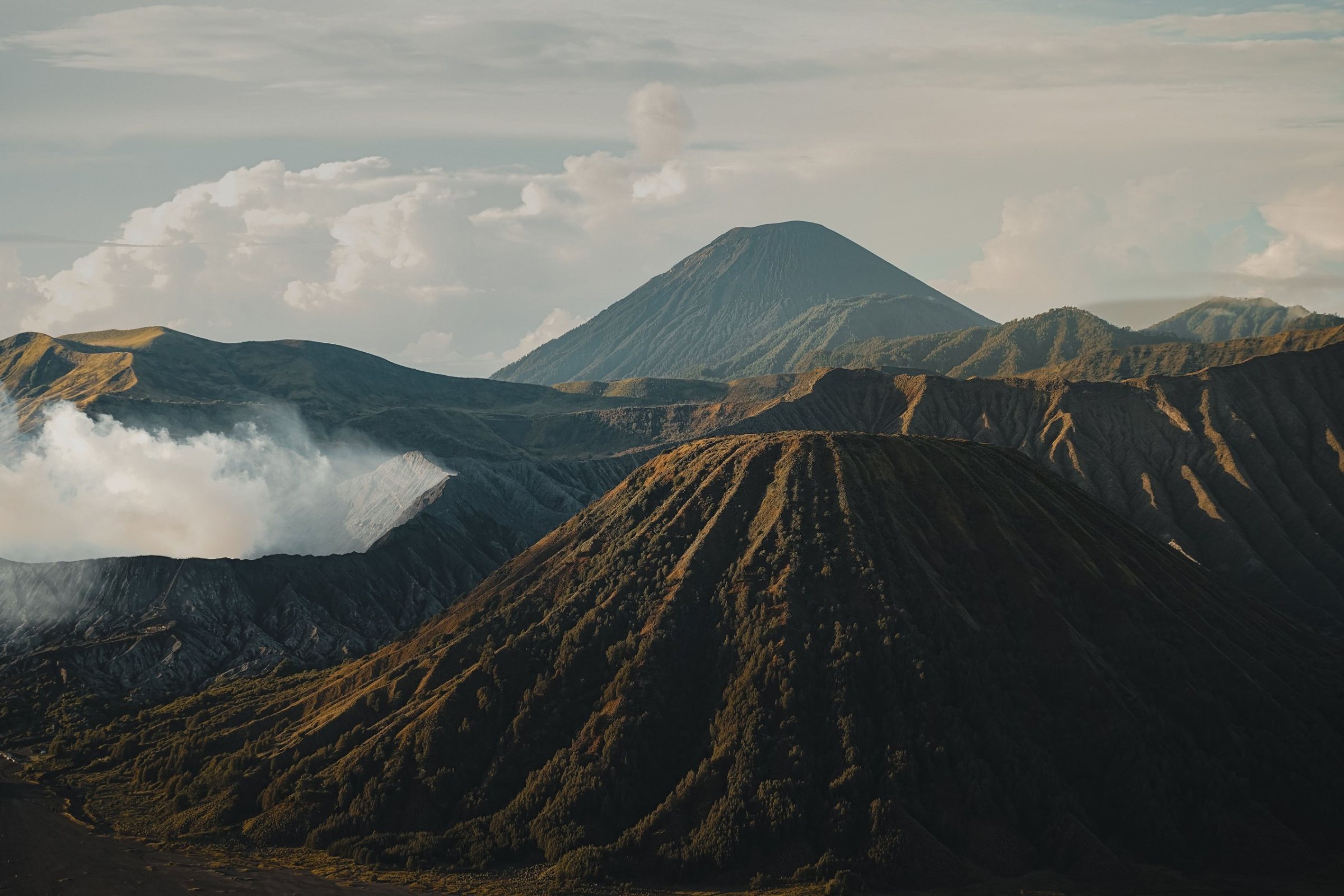
In the highlands of East Java, a 16-kilometre caldera holds a plain of grey volcanic sand, a steaming cone sacred to the Tengger people, and a view south to Semeru, the highest mountain on Java. It is one of the most visited parks in the country, and 2026 has been one of its hardest years.
What is Bromo Tengger Semeru National Park?
Bromo Tengger Semeru National Park (Taman Nasional Bromo Tengger Semeru, often shortened to TNBTS) is a volcanic park in the highlands of East Java, covering 50,276 hectares. It was declared a national park on 14 October 1982, although the Tengger Sand Sea had been protected since 1919. In 2015 UNESCO named the wider Bromo Tengger Semeru-Arjuno area a Biosphere Reserve, with the park at its core.
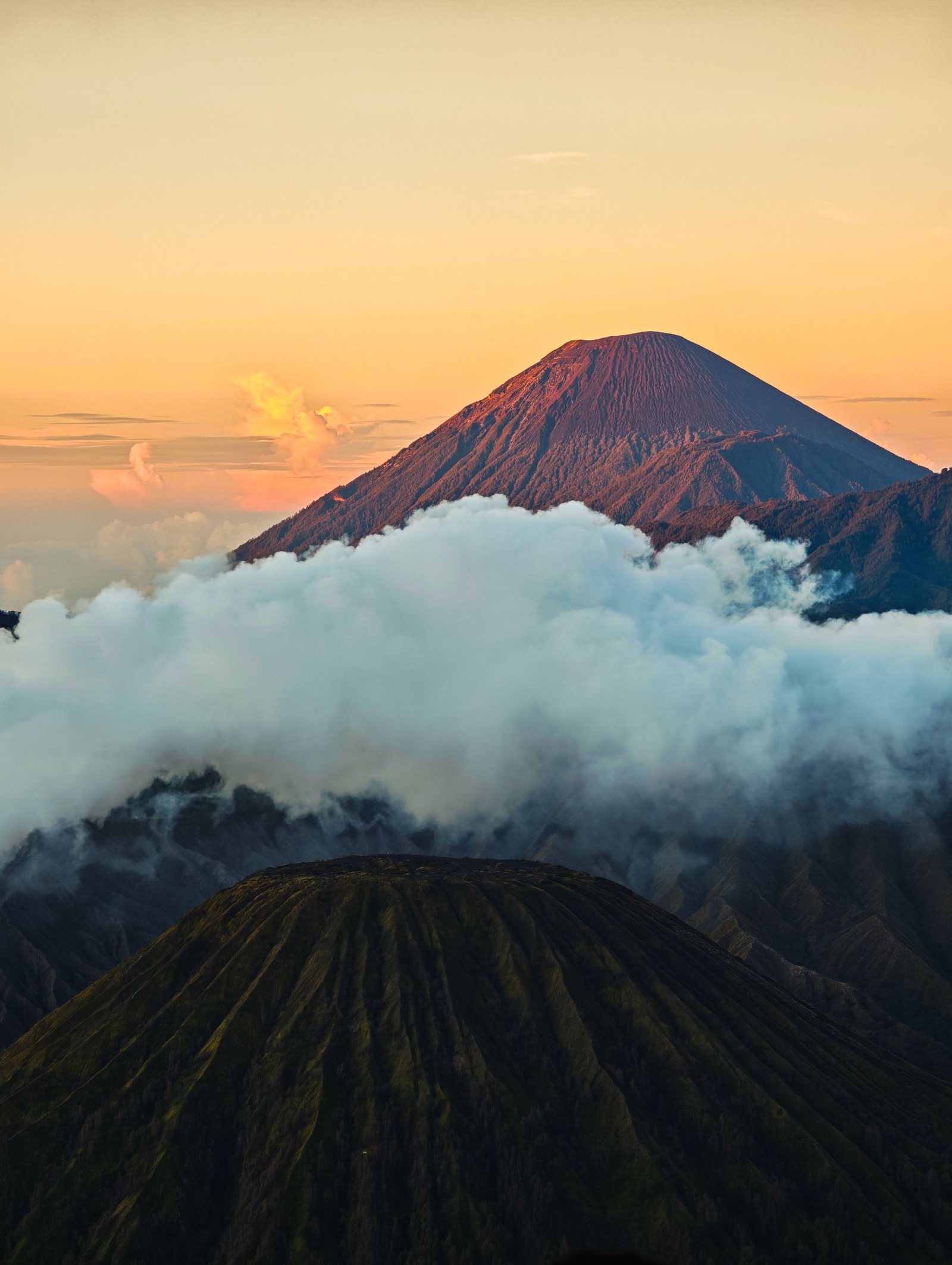
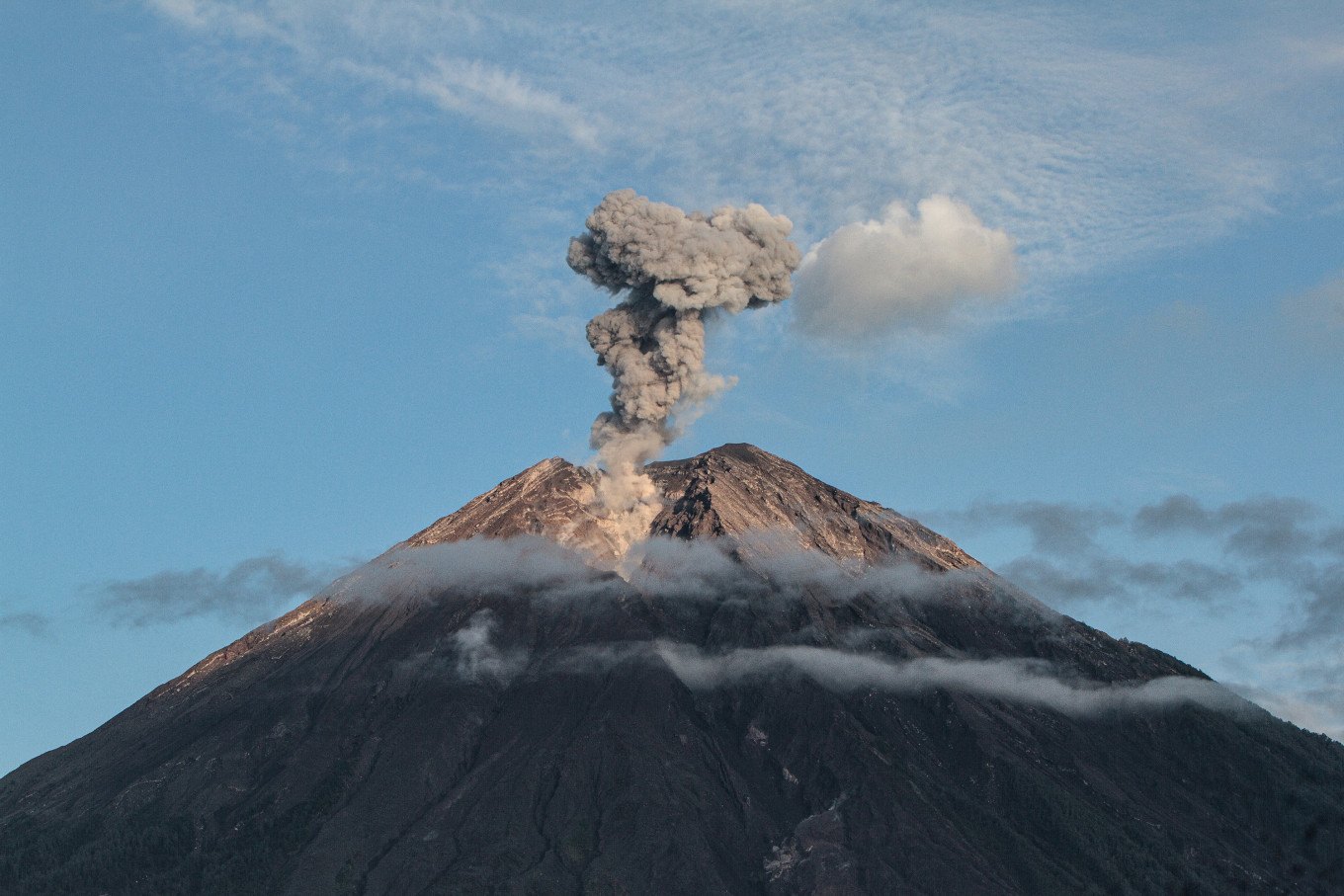
The park joins two very different worlds. In the north lies the Tengger caldera with Mount Bromo, reached by road and one of the most visited sights in Indonesia. In the south rises Semeru, at 3,676 metres the highest mountain on Java, a serious trek from the village of Ranu Pani. Between them are montane forests, grassy savanna, highland lakes and the villages of the Tengger people.
The forests shelter the Javan leopard, Javan rusa deer, green peafowl and about 137 bird species, along with Javanese edelweiss and a long list of orchids. Most visitors, though, come for the volcanoes.
What is the Sea of Sand?
The Sea of Sand, or Lautan Pasir, is the flat floor of the Tengger caldera, a plain of fine grey volcanic sand and ash roughly 9 by 10 kilometres across. The whole caldera is about 16 kilometres wide, walled by cliffs, and Bromo is the youngest and most active of the small cones that grew on its floor.
Standing in the middle feels like walking on another planet. Bromo smokes at 2,329 metres, and beside it rises Batok, a perfectly ribbed cone often mistaken for Bromo but showing none of its activity. At its foot stands Pura Luhur Poten, the Tengger temple of dark volcanic stone. Jeeps also cross to the south of the caldera, to the Whispering Sands (Pasir Berbisik) and a green savanna often called Teletubbies Hill.
Where is the best place to watch the Bromo sunrise?
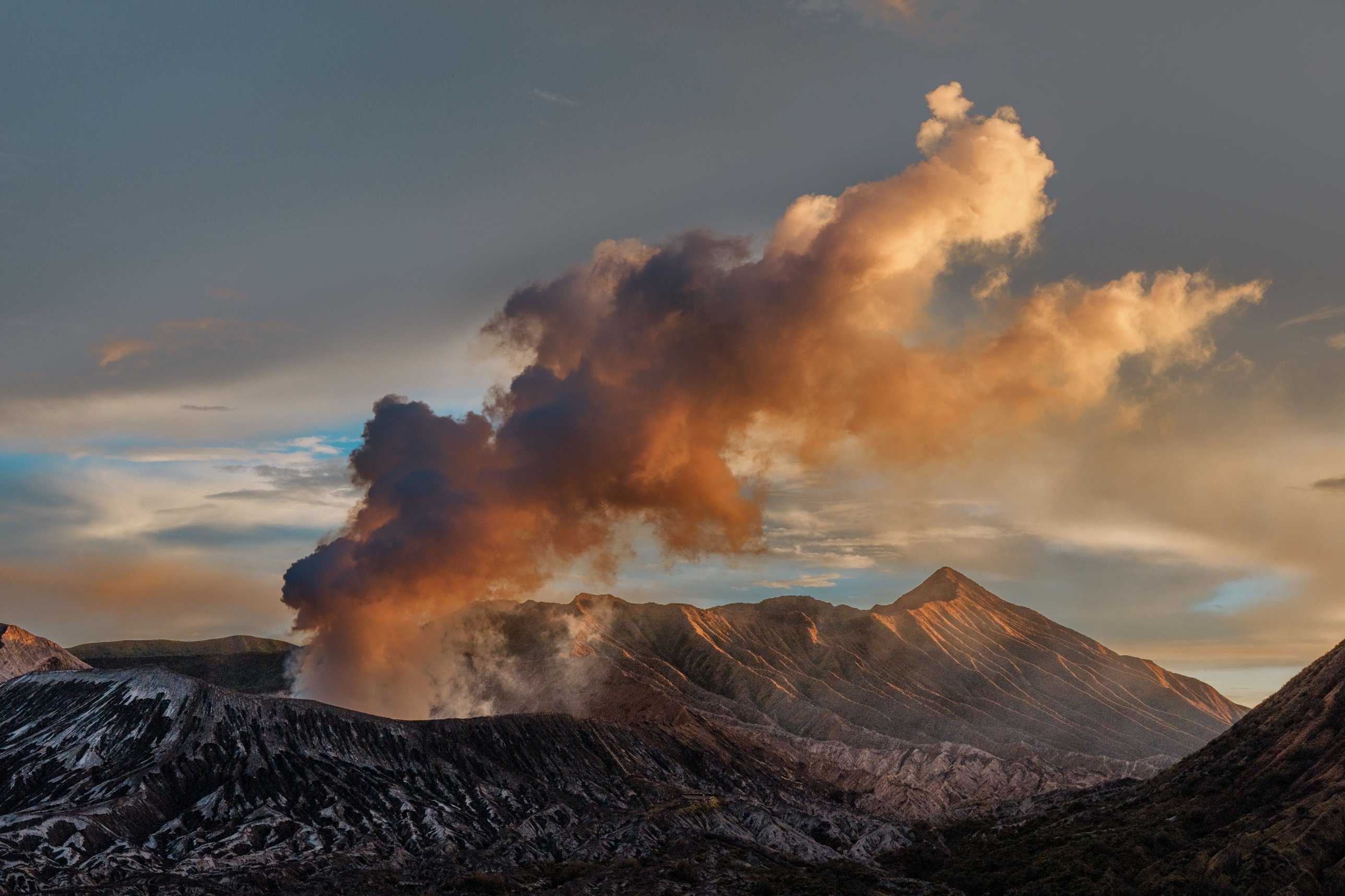
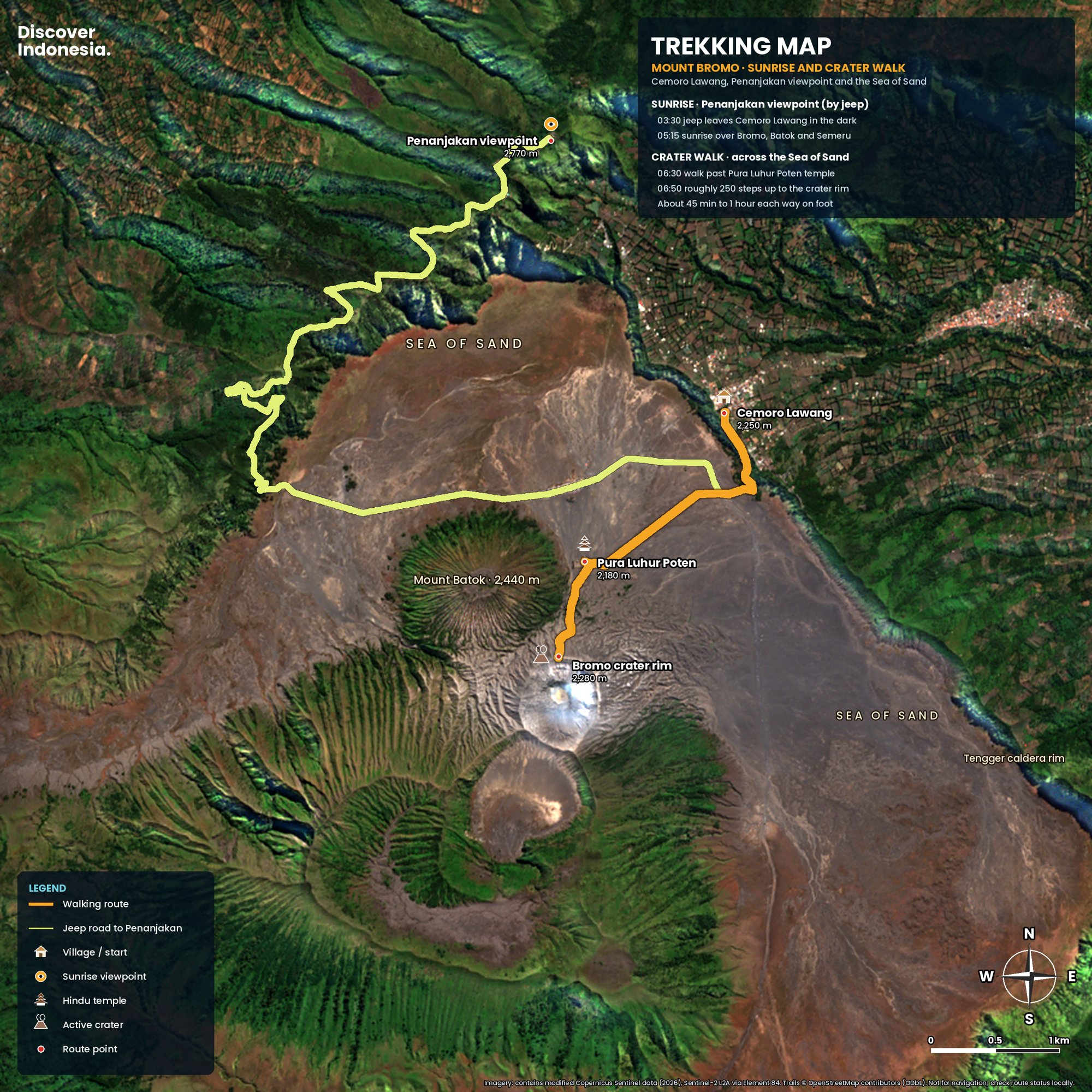
The classic viewpoint is Penanjakan 1, on the outer caldera rim at about 2,770 metres, where Bromo, Batok and Semeru line up below you. It is also the most crowded. Seruni Point (Penanjakan 2), above Cemoro Lawang, is lower and closer to the crater and can be reached on foot, which makes it the easier choice for independent travellers.
Jeeps leave Cemoro Lawang around 3 a.m. for Penanjakan 1, with King Kong Hill and Bukit Cinta as calmer stops on the same road. Penanjakan was closed by fire from 17 October 2026 and reopened at 1 a.m. on 23 October, once the park found no more hotspots.
After sunrise comes the crater. From Cemoro Lawang it is roughly 45 minutes on foot across the sand, or by jeep or hired horse, then about 250 steps up to a narrow rim above a steaming, sulphur-smelling pit. There are no barriers along most of it, so stay near the top of the stairs and keep well back from the edge.
Map
Bromo: Cemoro Lawang to the crater rim
Who are the Tengger people?
The Tengger are the people of these highlands, one of the few large Hindu communities left on Java, living in villages around the caldera and up to Ranu Pani. Their faith is traced to the Majapahit era and blends Hindu practice with older local beliefs. For them Bromo is sacred, and its name is commonly linked to Brahma.
Their great annual ceremony is Yadnya Kasada, held on the 14th day of the month of Kasada in their calendar. After prayers at Pura Luhur Poten at midnight, the procession climbs to the rim and casts vegetables, fruit, flowers, livestock and money into the crater, remembering Roro Anteng and Joko Seger, the couple who promised a child to the volcano. The park closes to tourists for the ceremony: in 2026 from 30 May to 2 June.
Away from Kasada, Tengger life is farming. Vegetable fields climb impossibly steep slopes, and many families also earn from jeeps, horses and guesthouses.
Can you hike Mount Semeru in 2026?
Not at the moment. All hiking on Semeru has been closed since 26 August 2026, when a forest fire broke out in the Ranu Kembang block near the trail, and as of 23 October 2026 no reopening has been announced. The summit, Mahameru, has been off limits for years because of the volcano's constant eruptions.
When open, the permitted hike is from Ranu Pani, a Tengger village at about 2,100 metres with its own small lake, to Ranu Kumbolo, a lake at about 2,400 metres in a grassy bowl, roughly 2.5 to 4 hours each way. After an eruption closed the mountain on 19 November 2025, the trail reopened on 24 April 2026 only as far as Ranu Kumbolo, with a quota of 200 hikers a day, two days and one night at most, and a licensed local guide for every group. Tickets were sold online only.
The fire showed how quickly things change: about 170 hikers camped at Ranu Kumbolo walked down safely with their guides the next day. Even in a normal year the trail closes from January to March and in December, so check the park's announcements before planning anything. Ranu Regulo, a lakeside campsite next to Ranu Pani, is a gentler alternative when it is open.
Is it safe to visit Bromo and Semeru?
Bromo is safe to visit when the park is open and you follow the exclusion zone, but both volcanoes are active and conditions change fast. Bromo was at Alert Level II (of IV) in August 2026, with people told to stay at least 1 kilometre from the crater. Semeru has been at Level III since late November 2025, with a 5-kilometre zone around its summit crater, and still erupted many times a day in October 2026.
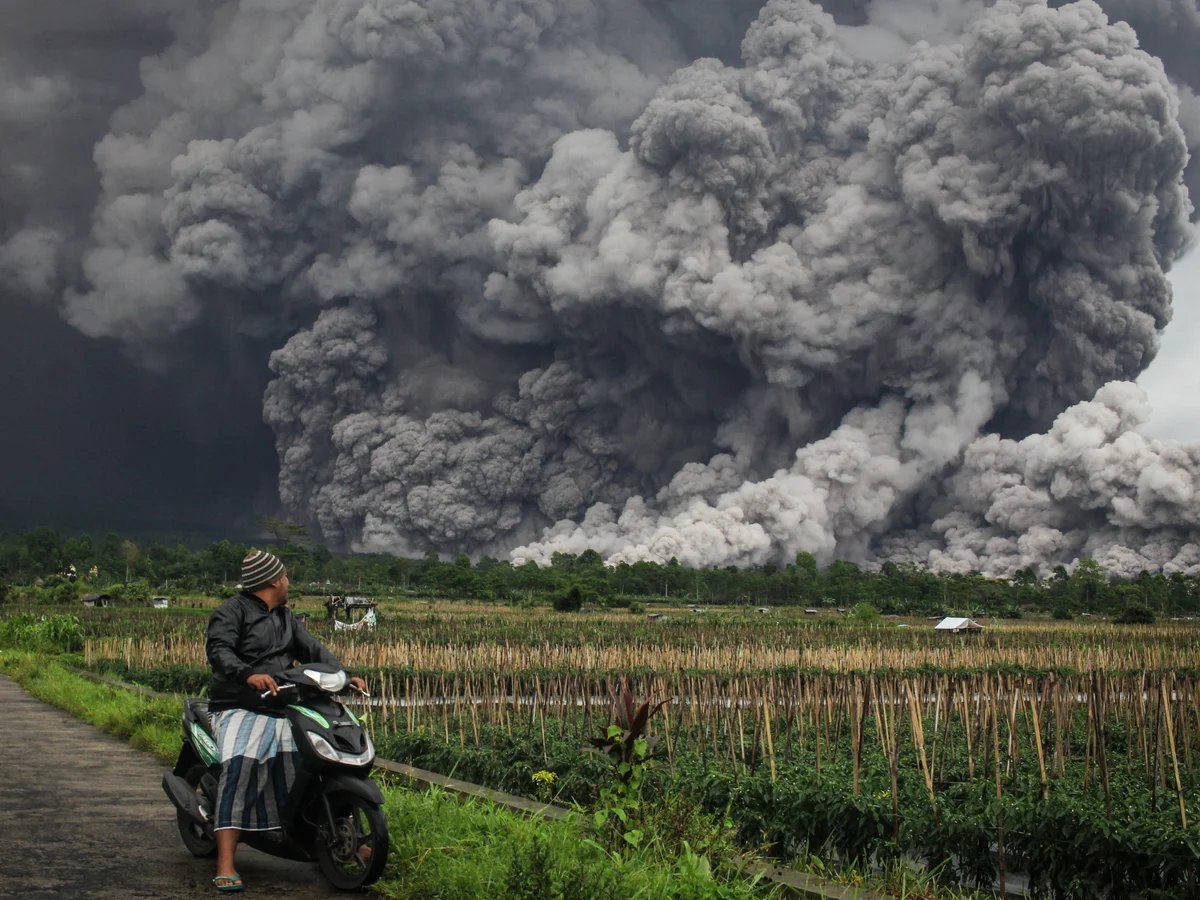
Bromo can explode with little warning: a sudden blast in June 2004 killed two tourists. Semeru's pyroclastic flows and mudflows killed dozens of people in December 2021. Check the current alert levels on MAGMA Indonesia before you go and never enter a closed zone.
Fire has been the bigger story in 2026. A wildfire of about 176 hectares closed the whole park from 8 to 20 August, fire closed it again from 10 to 19 September, and on 15 October a fire crew of park staff and volunteers was trapped by wind-driven flames at Bukit Mentigen; five of them died. Respect every fire ban: no campfires, flares or cigarettes.
When is the best time to visit Bromo Tengger Semeru?
The dry season, roughly May to October, gives the best chance of a clear sunrise and an open Semeru trail, with July and August usually clearest. From about November to April cloud and fog often hide the caldera, though the savanna turns green.
The catch is that the dry season is also fire season, as 2023 and 2026 both showed, so build a spare day into your plans. Nights on the rim are cold, often near freezing in the dry months. Avoid Indonesian school holidays and long weekends if you can, and check closures for Yadnya Kasada, Nyepi and other Tengger observances.
How do you get to Bromo Tengger Semeru National Park?
Most visitors fly into Surabaya's Juanda airport, then travel two to three hours to Probolinggo by train or car and climb to Cemoro Lawang, the village on the northern rim closest to the crater. From near Probolinggo's Bayuangga bus terminal, green public minibuses go up when full, in about 1.5 to 2 hours.
Other routes enter from Pasuruan via Tosari and Wonokitri, closest to Penanjakan, and from Malang via Tumpang, where sunrise jeeps leave around midnight. Ranu Pani, the Semeru trailhead, is two to three hours from Tumpang by jeep. From Bali, many travellers cross by ferry from Gilimanuk to Ketapang, visit Ijen first and continue west to Bromo. Check train and ferry schedules before you set off.
What does it cost to visit Bromo, and do you need to book?
Yes, you need to book. Bromo tickets are sold online only at bromotenggersemeru.id, with a daily quota of 2,752 visitors, and anyone without an official ticket can be fined five times the normal rate. Since 30 October 2024 the entrance fee for foreign visitors has been IDR 255,000 per person per day, every day of the week, including insurance; check before you go, as fees can change.
Indonesian visitors pay IDR 54,000 on weekdays and IDR 79,000 on weekends and holidays, plus small vehicle fees. Jeeps, which take up to five people, and horses are paid separately, so agree what is included before you pay. If the park closes after you have booked, it has offered rescheduling or refunds through the booking system.
How to visit Bromo Tengger Semeru responsibly
This is a working landscape and a sacred one. Treat Pura Luhur Poten as the active temple it is, dress modestly in Tengger villages and ask before photographing people or offerings. Hire local jeep drivers, horsemen and guides, and stay in Tengger-run guesthouses. Never light fires or flares, take every scrap of rubbish home, stay on official routes, and remember that drones need a park permit.

